
Join our AllAirCooled VWs Facebook group to connect with other Vintage VW enthusiasts!
Technical guides, restoration tips, and community stories from the air-cooled Volkswagen world. Explore the latest articles below.
The air cooled era finally met its silent conclusion in late 2013 as the very last Volkswagen Kombi rolled off the assembly line in Sao Bernardo do Campo. For over half a century the Brazilian factory served as the final sanctuary for the legendary boxer engine design. While the rest of the world had transitioned to water cooled power plants and front engine layouts decades prior Brazil remained the faithful guardian of the original rear engine blueprint. This closing of the factory doors marked more than just a production shift. It signified the official retirement of an automotive icon that had refused to age out of the market.
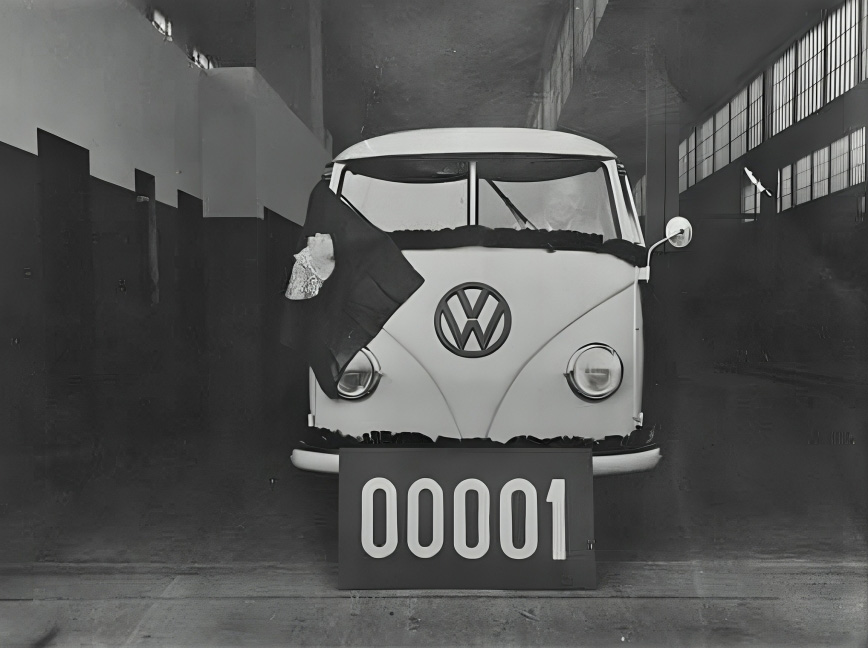
The decision to end production was not driven by a lack of demand or a loss of charm. Instead it was the inevitable march of modern safety regulations that sealed the fate of the T2. New Brazilian laws mandated that every vehicle must be equipped with ABS braking systems and dual front airbags starting in 2014. The vintage architecture of the Kombi simply could not accommodate these modern necessities without a complete and costly redesign. Rather than forcing a compromise on a sixty year old frame Volkswagen decided to let the legend retire with its dignity intact.
To celebrate this monumental departure the factory released a limited run known as the Last Edition. These final 1,200 units were finished in an elegant two tone blue and white paint scheme that paid homage to the early luxury models. Inside the cabin specialized upholstery and numbered plaques reminded owners that they were sitting in a piece of rolling history. Though the price tag was steep compared to the standard commercial models collectors from around the globe scrambled to secure a piece of the final batch. It was a fitting tuxedo for a van that had spent most of its life in work boots.
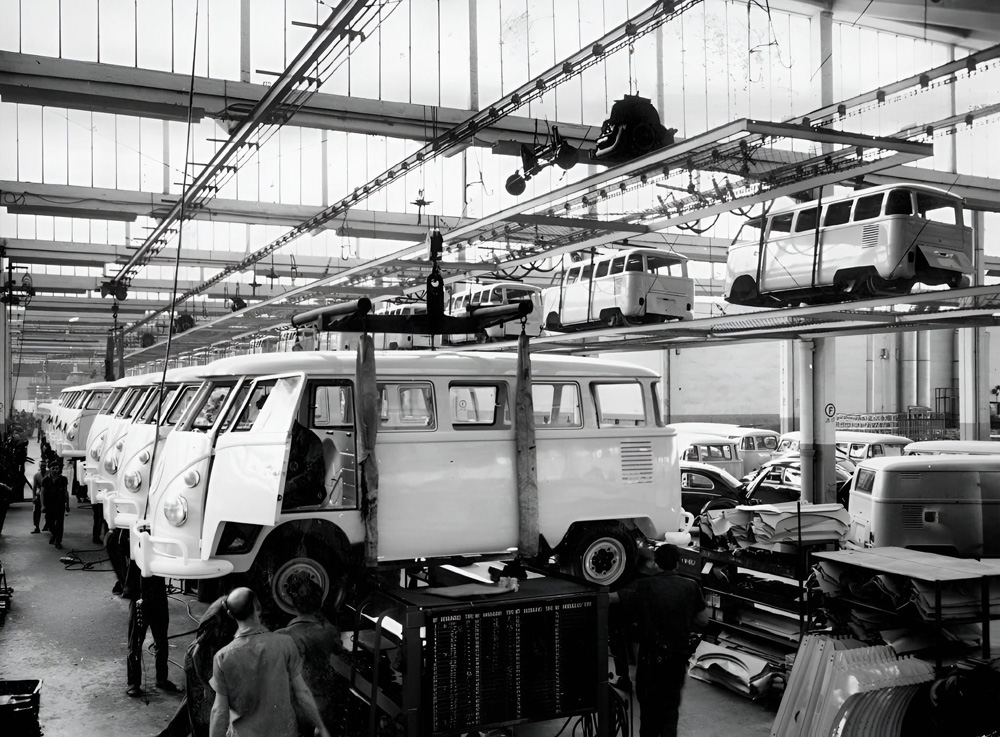
The Kombi was the undisputed backbone of Brazilian commerce for generations. It served as a school bus for rural villages and a reliable delivery van for city merchants. It's simple air cooled engine was famous for being repairable with basic tools in the middle of a rainforest or on a crowded Sao Paulo street. This rugged utility made it a member of the family for millions of citizens. Seeing the production line stop was a cultural milestone for the nation as the familiar chug of the flat four engine began to fade from the daily soundtrack of the country.
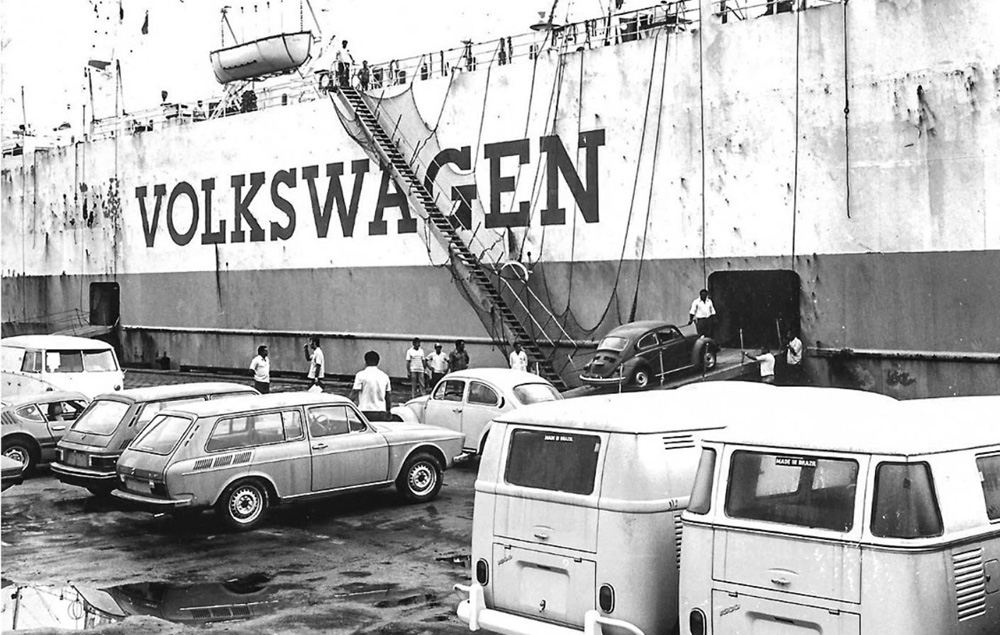
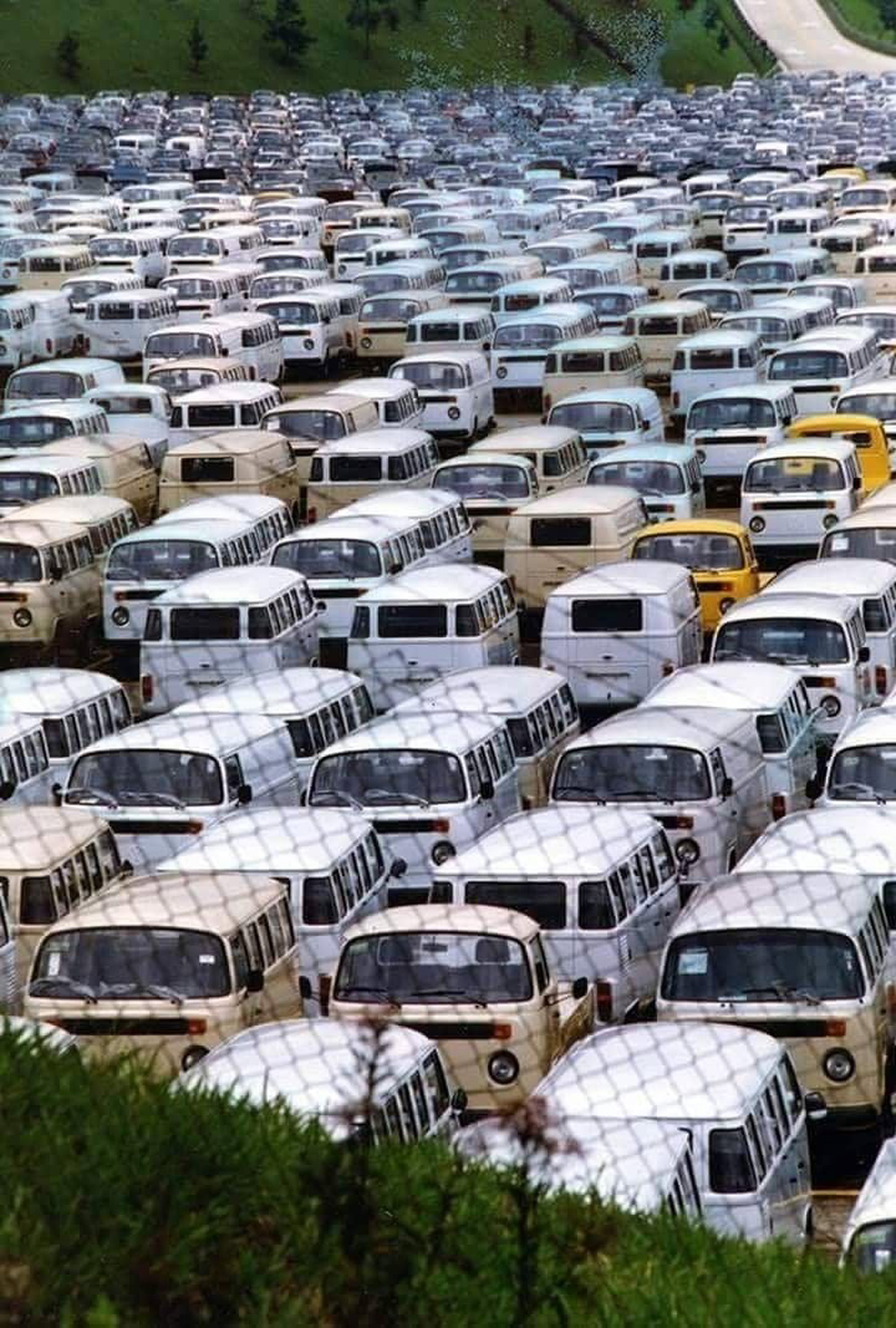
Even though the assembly line has been cold for over a decade the spirit of the air cooled bus remains vibrant on Brazilian roads. The sheer volume of units produced ensures that parts remain plentiful and the community of enthusiasts continues to grow. These vans are now being exported back to Europe and North America as highly sought after vintage treasures. What was once a humble workhorse is now a prized collectible that bridges the gap between mid century German engineering and South American persistence. The legacy of the Brazilian bus is one of survival against the odds.
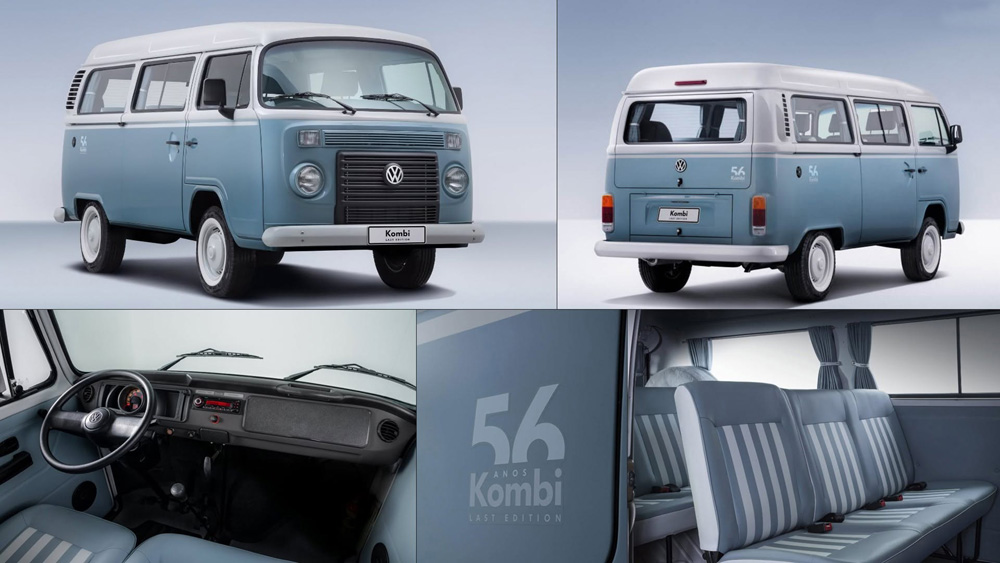
As we look back at that final December day in 2013 we recognize that the air cooled engine went out exactly as it lived. It was loud and simple and undeniably honest. The end of production in Brazil was the closing chapter of a story that started in the ruins of post war Germany and found its true soul in the vibrant landscapes of South America. While modern vans offer more safety and faster speeds they will never match the personality of the original bus. The last Kombi may have left the factory floor but it will never truly leave the road.
Air-cooled Volkswagens are easy to maintain because their parts are simple, mechanical, and widely available. Whether you drive a Beetle, Bus, Ghia, Thing, or Type 3, most components follow the same basic design. This shared engineering philosophy makes it possible for owners to repair, restore, and upgrade their cars with basic tools and a clear understanding of how the major systems work. The simplicity of these cars is intentional. Volkswagen designed them so everyday drivers could keep them running without specialized equipment, and that approach still benefits owners today.
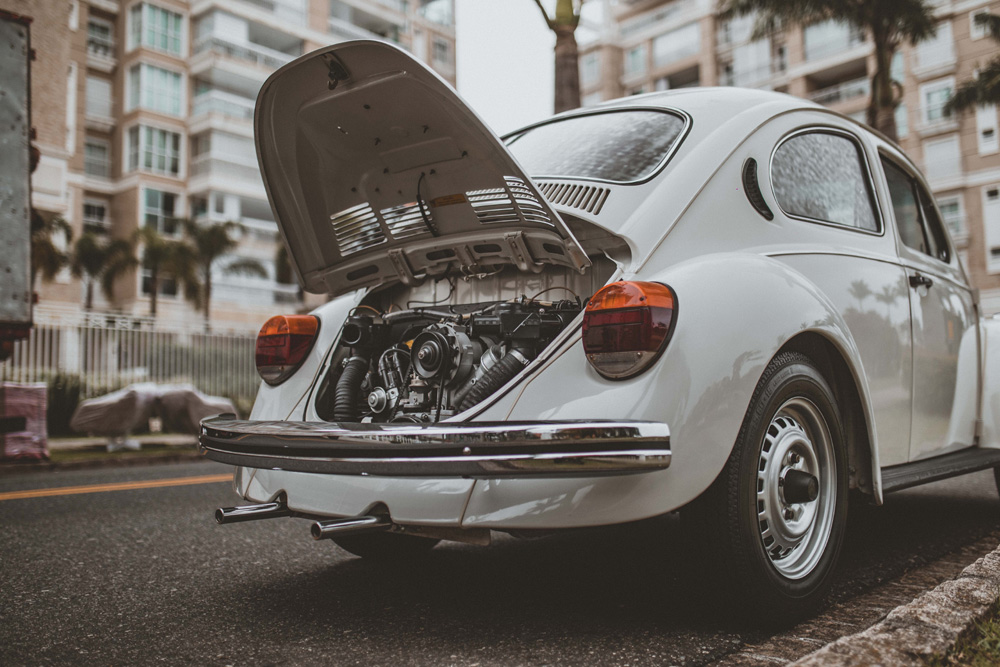
The heart of every air-cooled VW is the flat four engine. Common factory sizes include 1200cc, 1300cc, 1500cc, and 1600cc, with the 1600cc dual port being the most common today. These engines are modular, which means parts can be replaced individually without removing the entire engine. Replacement components such as pistons and cylinders, carburetors, distributors, cooling tin, and complete top end kits are easy to find from a long list of VW parts suppliers. Many owners also upgrade to larger displacements like 1776cc or 1915cc for more power, taking advantage of the engine's ability to accept performance parts without major modifications.
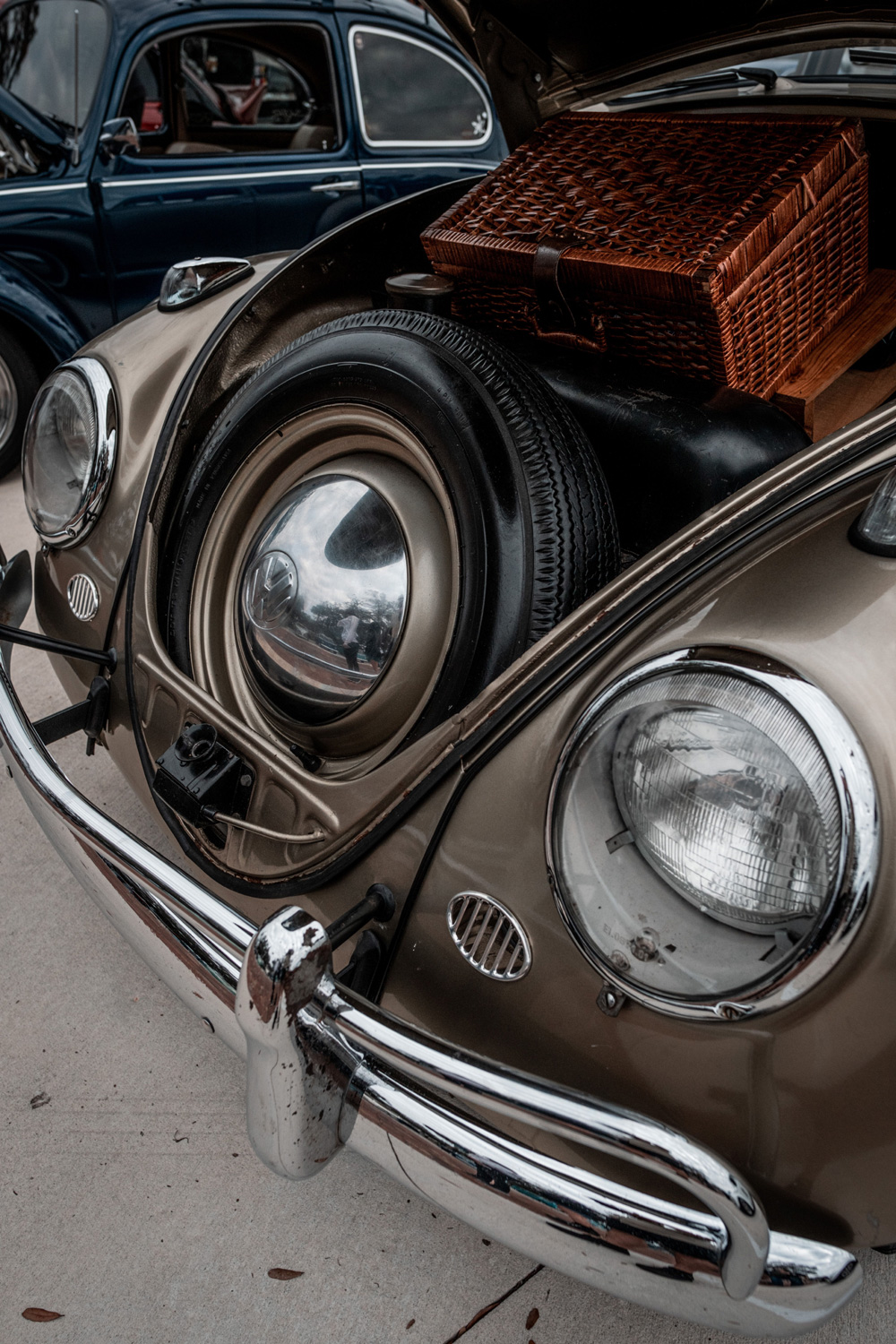
The cooling system is one of the most important parts of an air-cooled VW. Since there is no radiator, the engine depends on a complete set of cooling tin, a working fan, and a tight fan belt to move air across the cylinders and heads. Every piece of tin has a purpose, directing airflow exactly where it needs to go. Missing or incorrect tin can cause overheating, so new owners should make sure all pieces are installed and sealed. The oil cooler (if installed), thermostat, and flaps also play a key role in keeping temperatures stable, especially in changing weather. When these parts work together, the engine stays cool and reliable even on long summer drives.
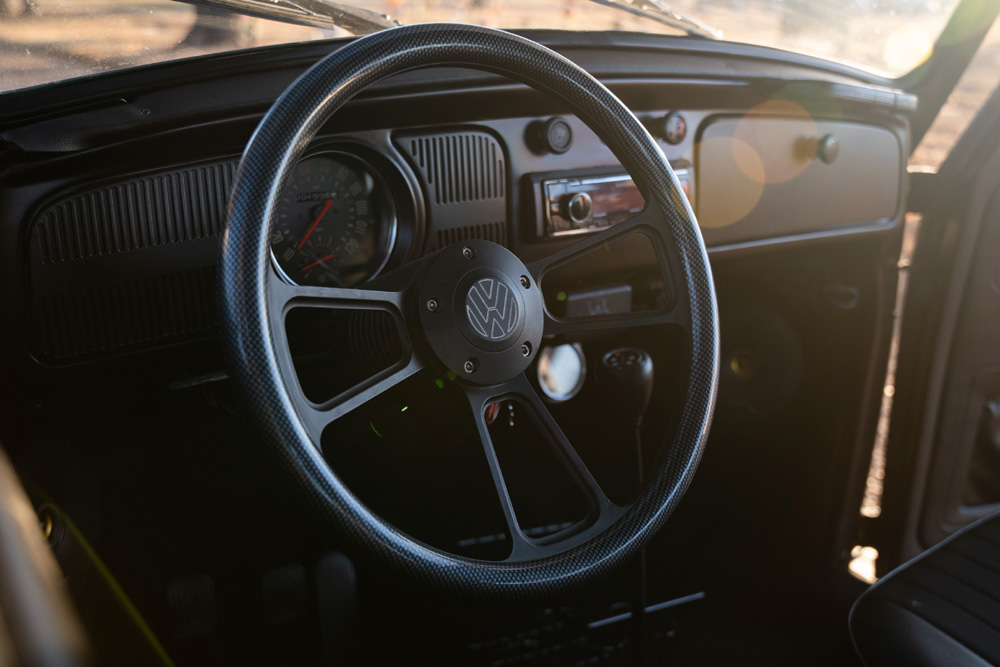
Electrical parts are simple and inexpensive. Most classic VWs use a basic 12 volt system with a generator or alternator, a single ignition coil, and a straightforward wiring layout that can be understood with a simple diagram. Common replacement items include spark plugs, plug wires, points, condensers, and voltage regulators. These parts are affordable and easy to install, making electrical maintenance one of the most approachable tasks for new owners. Many owners switch to electronic ignition modules for easier starting and more consistent timing, reducing the need for frequent point adjustments.
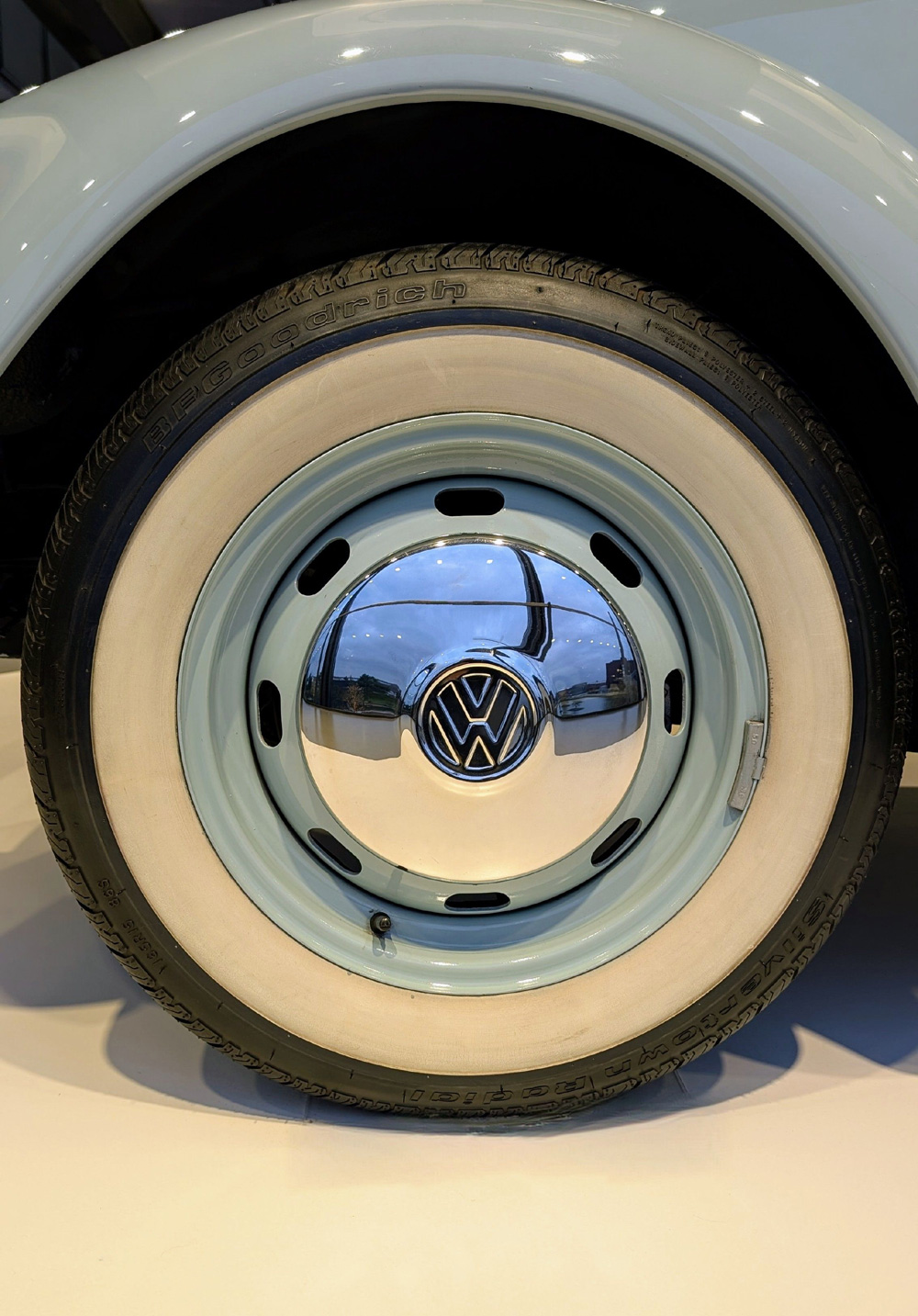
Suspension and brake parts are also easy to source. Beetles and Ghias use torsion bar front ends, while 1303 Super Beetles (1975 and up) use MacPherson struts, each with its own strengths and upgrade options. Replacement bushings, ball joints, tie rods, drums, rotors, brake pads/shoes, and wheel cylinders are widely available and often sold as complete kits for convenience. Upgrades like disc brake conversions, lowered spindles, improved shocks, and sway bars are popular and affordable, allowing owners to tailor the ride and handling to their preferences. These cars respond well to suspension improvements, making them more enjoyable and safer to drive.
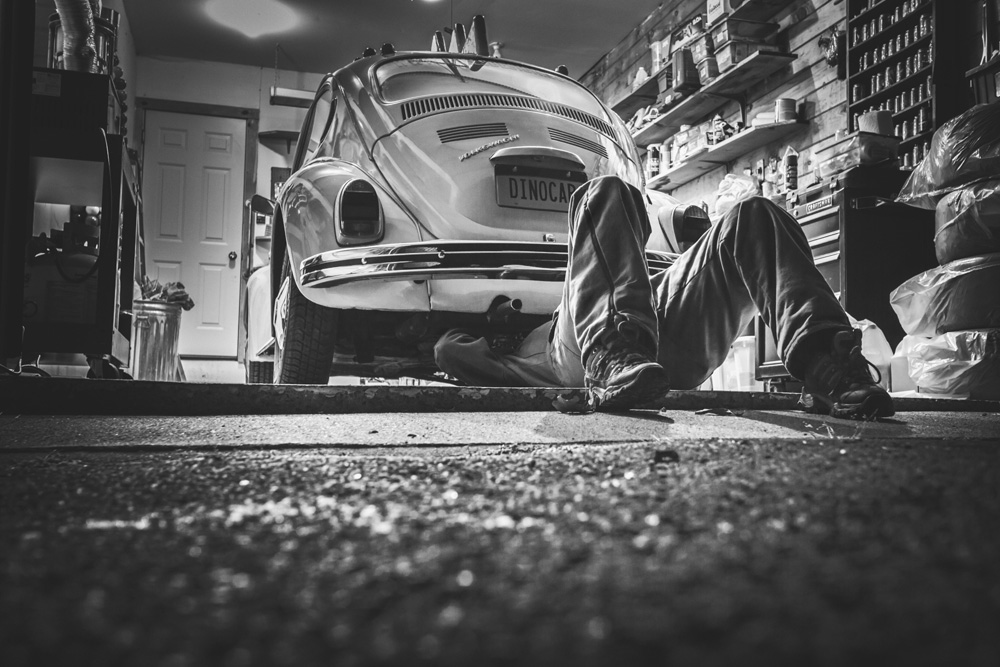
Because air-cooled VWs have been on the road for decades, the parts market is strong. New, used, reproduction, and performance parts are available from many suppliers, and most components can be replaced without special tools. The community has kept these cars alive through shared knowledge, detailed guides, and a thriving aftermarket. With regular maintenance and quality parts, these cars remain reliable, simple to work on, and enjoyable to drive. This guide gives new owners a clear starting point and helps them understand the parts that keep an air-cooled Volkswagen running.
Air-cooled Volkswagens still matter because they offer a kind of mechanical honesty that modern cars rarely provide. These machines were built around simple, durable engineering that encouraged owners to understand how everything worked. Lift the decklid and you can see every component, trace every hose, and follow every movement of the flat four. With basic tools and a little patience, anyone can learn to keep one running. That hands-on relationship between driver and machine is a major part of their appeal, and it is something the modern automotive world has largely moved away from.
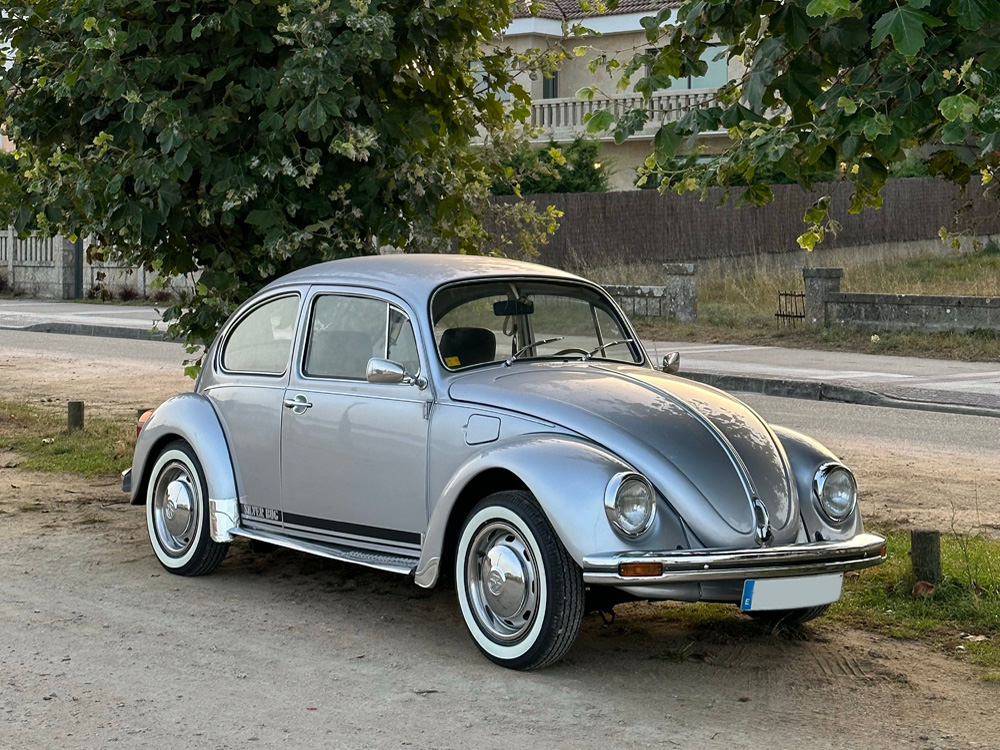
They also hold a powerful place in culture. The Beetle, Bus, Ghia, Type 3, and Thing became icons not because of marketing, but because of the lives they touched. They appear in movies, artwork, road trip stories, and family memories. Their shapes are instantly recognizable, and their personalities feel familiar even to people who have never owned one. Nearly everyone can recall a parent, friend, or neighbor who drove an air cooled VW, and that shared cultural memory keeps these cars relevant long after production ended.
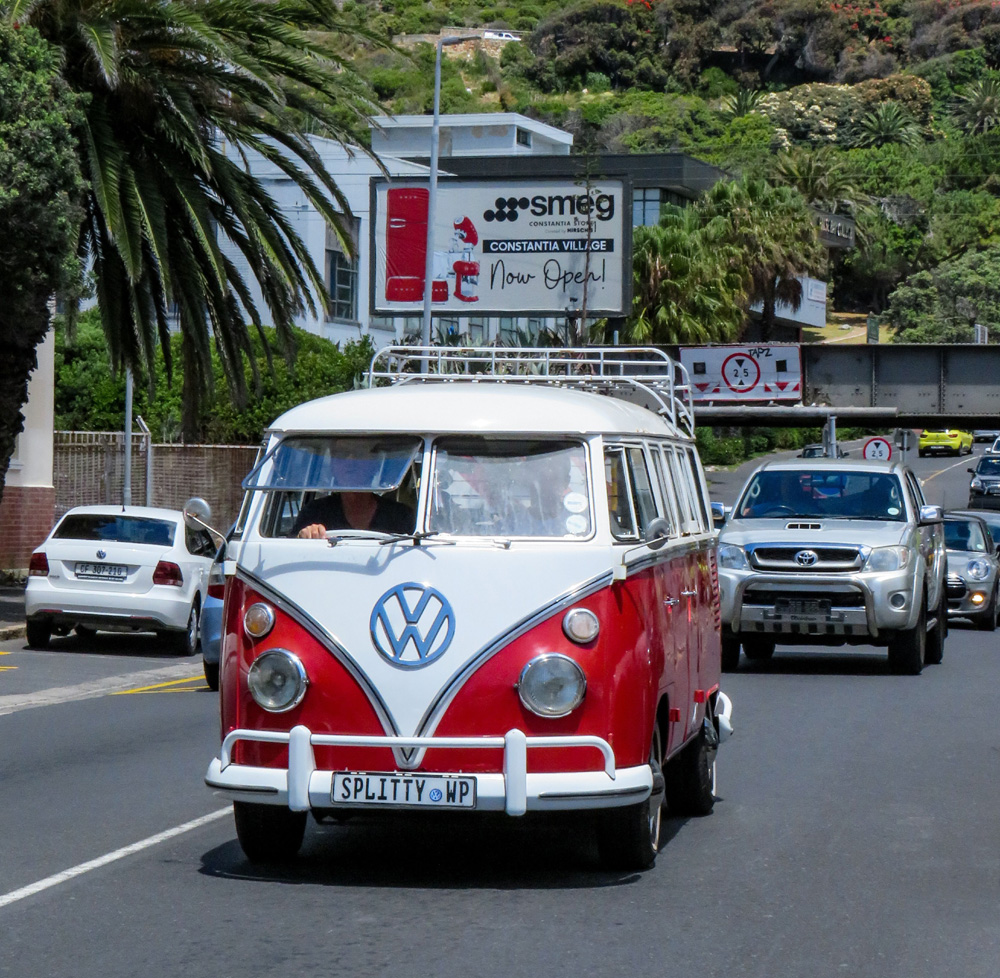
The community built around these cars is another reason they continue to thrive. Air cooled VW owners share knowledge, parts, and encouragement in a way that feels more like a family than a hobby. Local clubs, weekend meets, and online groups help new enthusiasts learn the basics and keep long time owners connected. Whether someone is rebuilding an engine or searching for a rare trim piece, there is always someone willing to help. This sense of support is one of the strongest forces keeping these cars on the road.
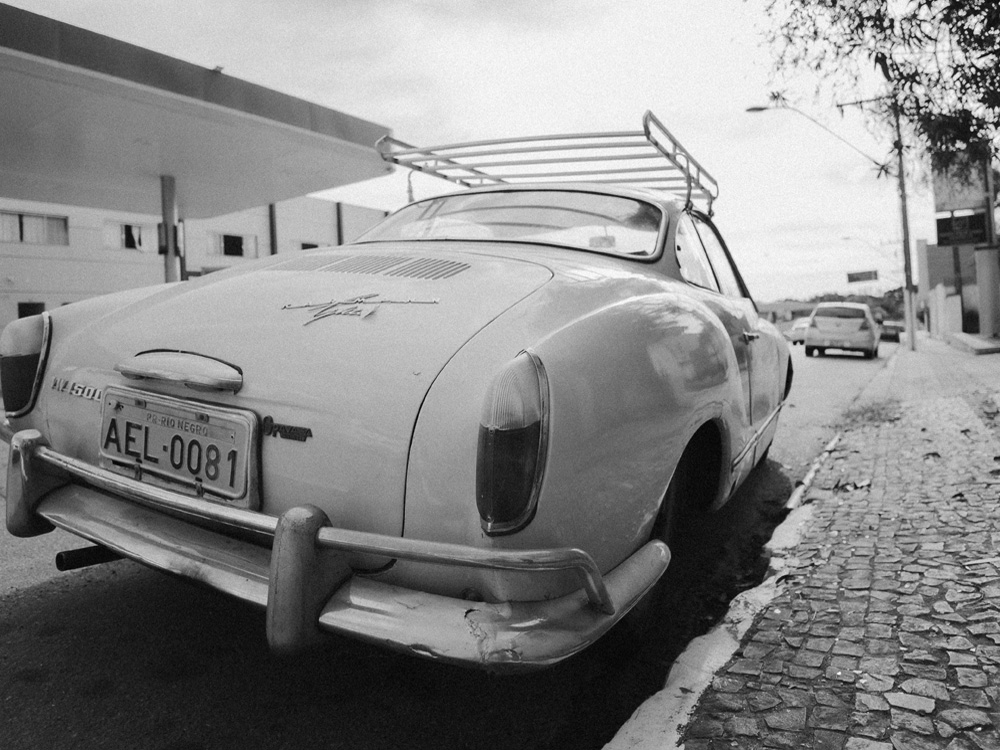
There is also a sustainability angle that fits today’s mindset. Restoring and maintaining an existing vehicle avoids the environmental cost of manufacturing a new one, and air cooled Volkswagens were efficient for their time. Keeping them running is a form of preservation that aligns with modern interest in repairability, longevity, and responsible use of resources. Instead of replacing a car every few years, owners invest in something that can last for decades with proper care.
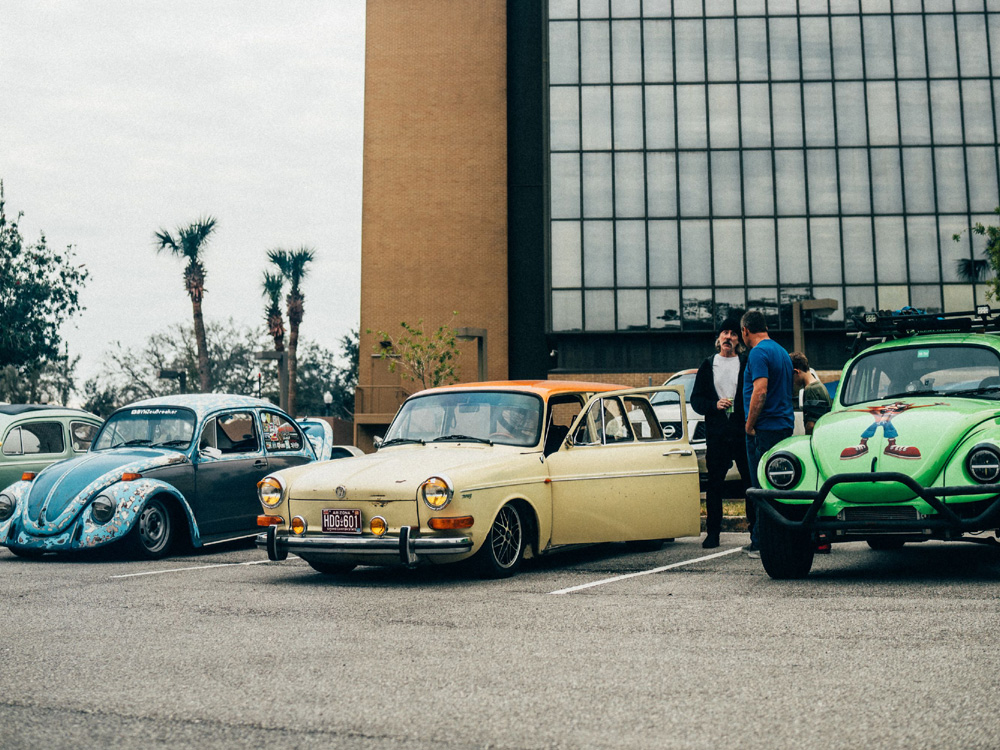
Air cooled Volkswagens matter because they offer a driving experience that modern cars cannot replicate. The sound of the flat four, the light steering, the simple controls, and the direct connection to the road create a feeling that is mechanical and human. There is no digital filter between the driver and the machine. Every shift, every vibration, and every mile feels personal. These cars remind drivers that the act of driving can be joyful, tactile, and engaging.
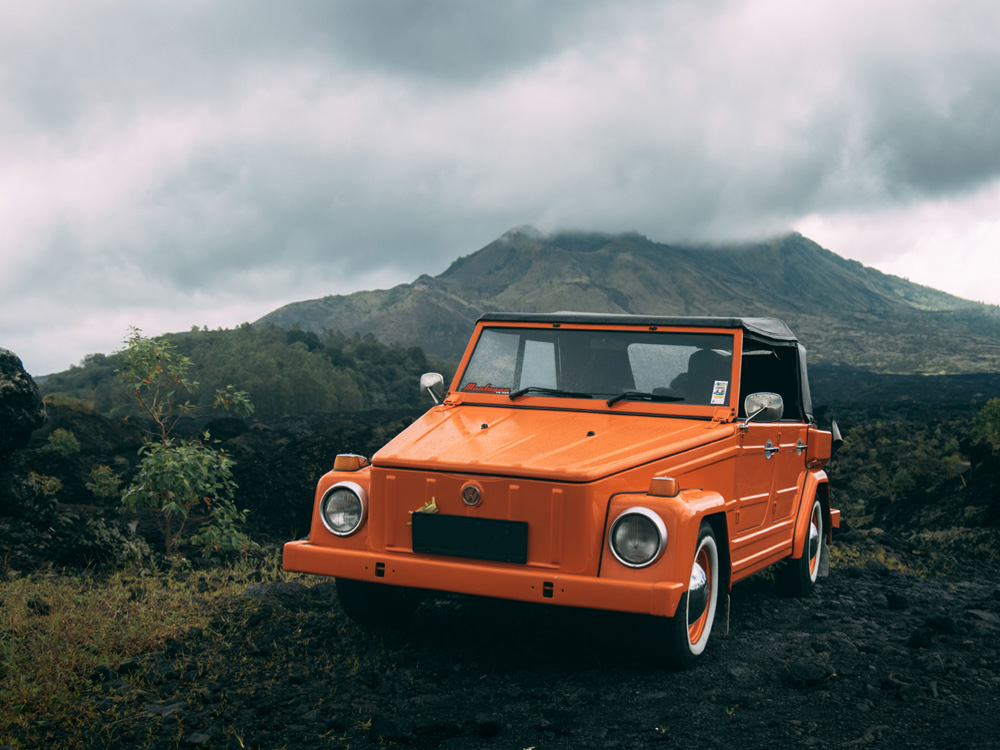
They also inspire creativity. Owners personalize their cars with period accessories, custom paint, roof racks, patina preservation, and thoughtful modifications that reflect their own style. Each car becomes a reflection of the person who keeps it running, and that individuality is a defining part of the air cooled world. No two cars are exactly alike, and that variety keeps the scene fresh and interesting.
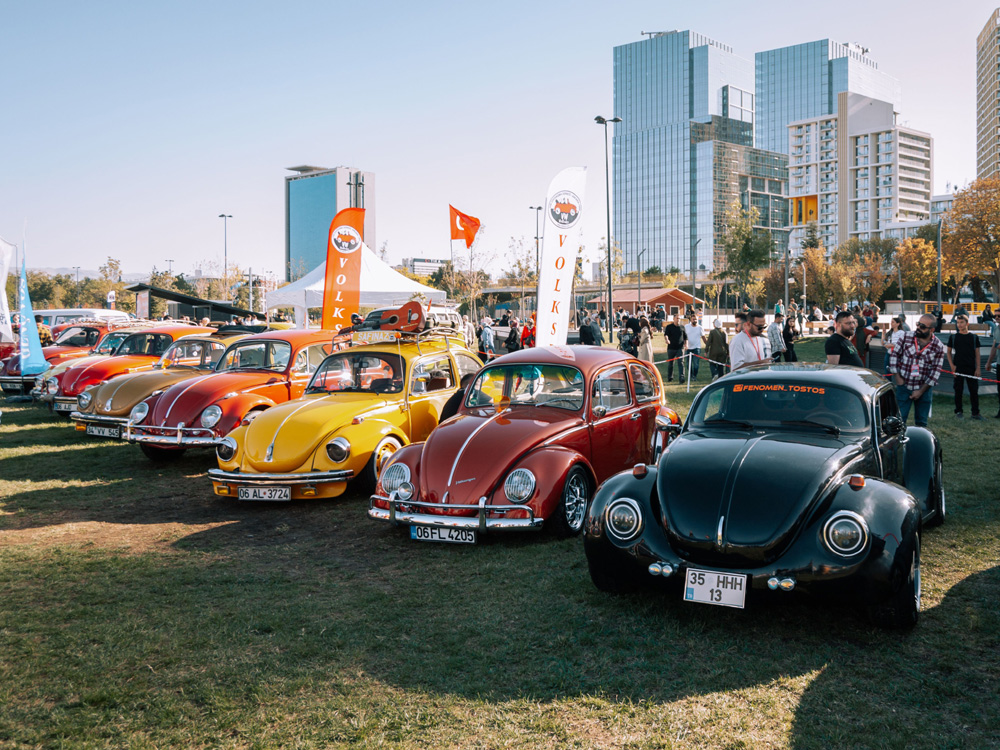
Most of all, air cooled Volkswagens matter because they bring people together. They create friendships, traditions, and shared experiences that span generations. Whether parked at a show, cruising down a scenic road, or being worked on in a garage, these cars continue to build connections. They remind us that automotive enthusiasm is not just about machines, but about the people who care for them. That is why air cooled Volkswagens still matter, and why they will continue to matter for years to come.
The 2026 Volkswagen show season is shaping up to be one of the most active in recent years, with events running from the first warm days of spring straight through to December. This year's calendar brings together long running traditions, new gatherings, charity shows, campouts, cruises, and multi day festivals across the United States, Canada, Puerto Rico, and Europe. Whether you drive a Beetle, Bus, Ghia, Type 3, Thing, or any air cooled classic, 2026 offers more opportunities than ever to get out and enjoy the VW community.
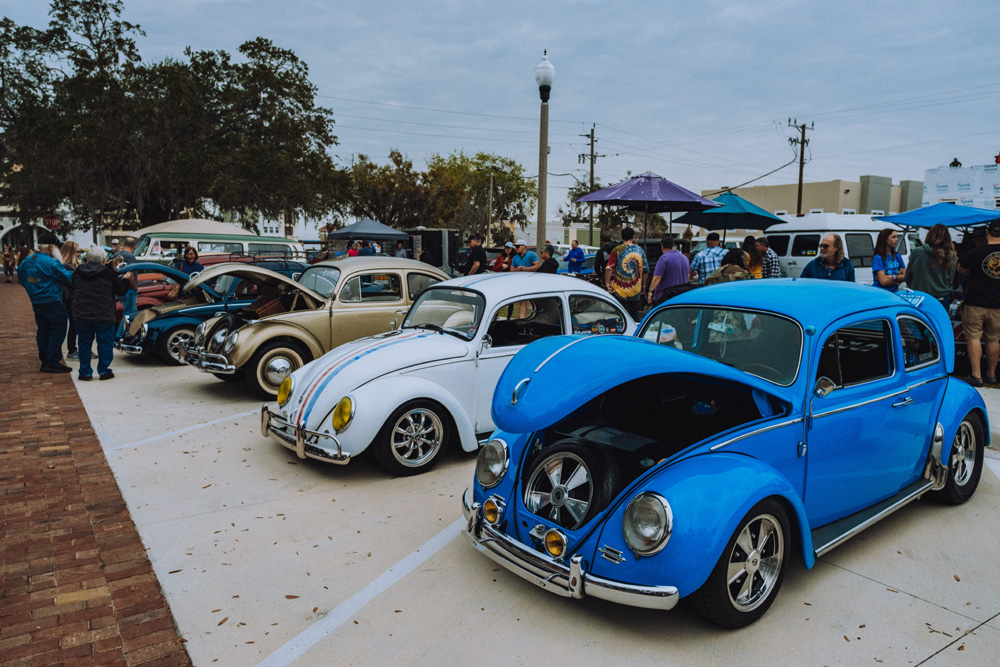
Summer remains the heart of the season, and July delivers one of the busiest months on record. Major shows like Bug Out 44 in Ontario, Deutsche Classic in Pennsylvania, and the Buckeye German Jubilee in Ohio anchor the month, while unique gatherings such as Buses by the Beach SoCal, Kubel Treffen East, and the Vintage VW Weekend in Seattle add variety. Multi day events like Casa de Fruta in California and Volky Fest Mocano in Puerto Rico bring camping, music, vendors, and family friendly activities, showing just how diverse the VW scene has become.
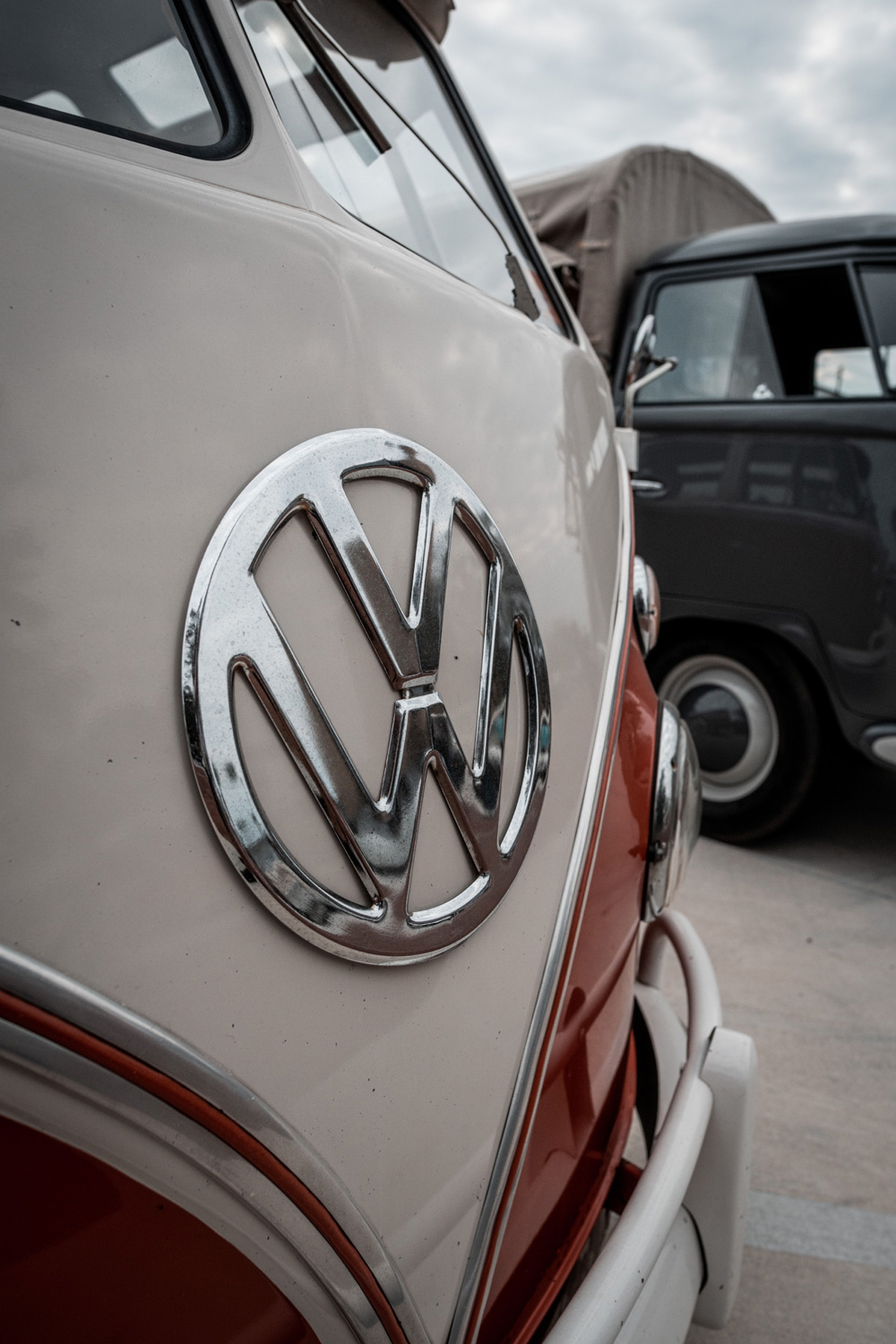
August continues the momentum with another full slate of events across North America and beyond. Volksfest 35 in Ohio, Augtoberfest in Ontario, and FamilienFest in California highlight the month, while VW Drag Fest in Tennessee brings racing into the mix. The 34th Eureka Springs VW Festival in Arkansas remains a major draw, and Germany's Sommerfest celebrates its 50th anniversary, underscoring the global reach of the VW community. From brewery meets to large scale festivals, August offers something for every type of enthusiast.
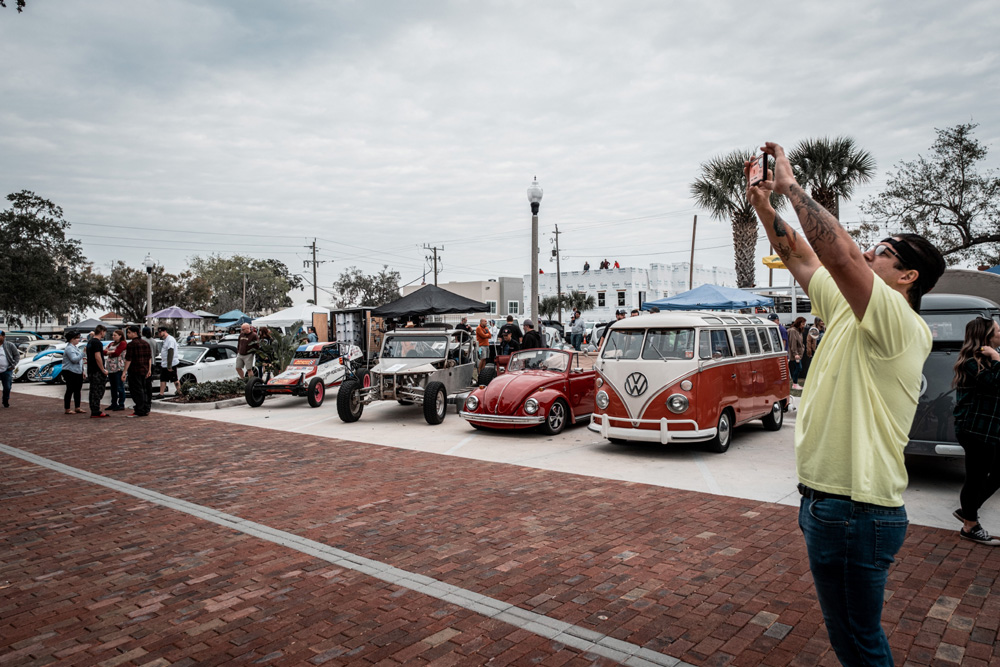
As summer winds down, September shifts into a season of heritage rich, community driven events. German Invasion in North Carolina, VOLKSMEET in Connecticut, and VW's in the Valley 14 continue long standing traditions, drawing loyal crowds year after year. On the West Coast, the Solvang Veteranentreffen Weekend brings together vintage VW owners for a scenic, relaxed gathering in one of California's most iconic towns. These events highlight the deep roots and strong club culture that keep the VW scene thriving.
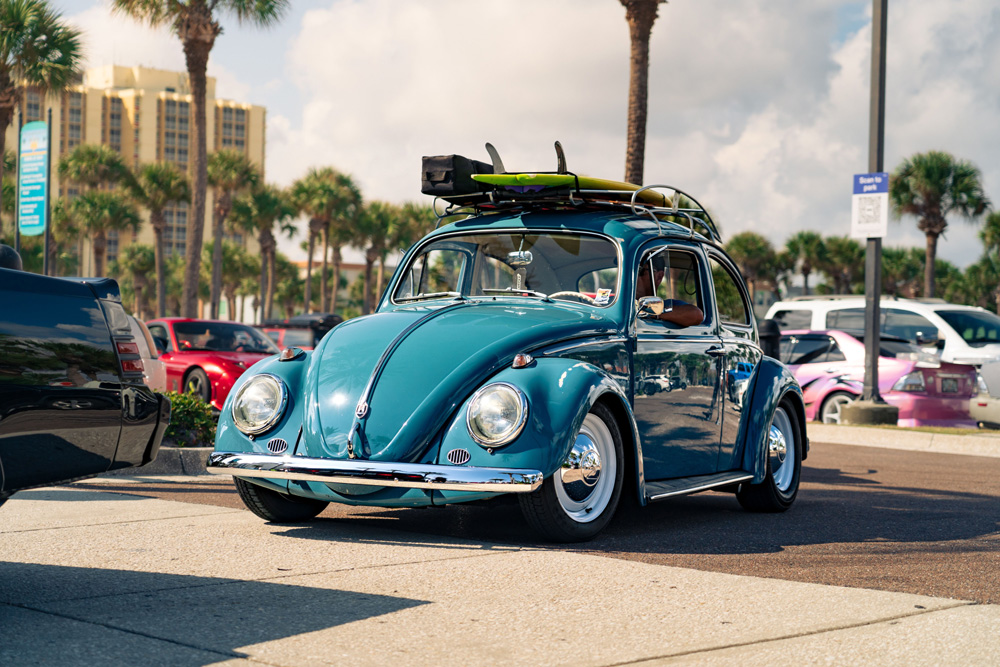
October remains a strong month, offering a mix of shows, cruises, racing, and swap meets. Klassic Dub Fest in Bakersfield and Volkstoberfest in Clovis keep California busy, while the Deutsch Tober Festival in Kansas brings camping, vendors, and live entertainment to the Midwest. The Connecticut VW Association's Fall Foliage Cruise adds a scenic seasonal touch, and Fast Times at Farmington in North Carolina continues as one of the largest racing and swap events on the East Coast. Europe also stays active with the AirMighty Swap Meet in the Netherlands, a major destination for parts hunters.
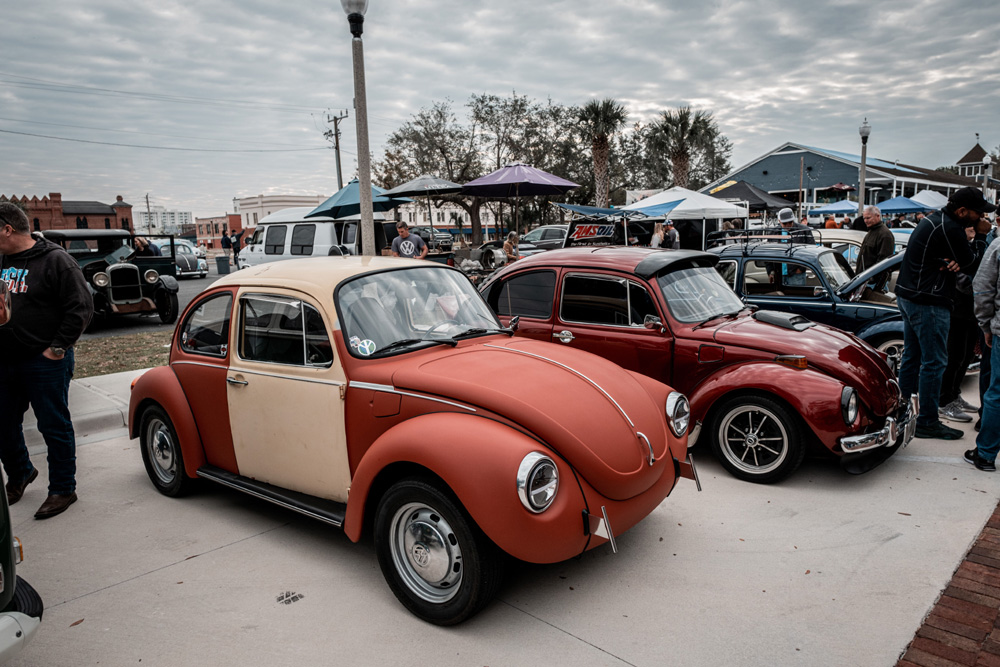
By November the season begins to slow, but the community doesn't fully wind down until December. The final event of the year, the Connecticut VW Association's "Last Hurrah," brings owners together one more time at Westbrook Town Beach. It's a simple, relaxed gathering that marks the unofficial end of the driving season for many in the Northeast, offering a chance to enjoy the cars before winter storage begins.
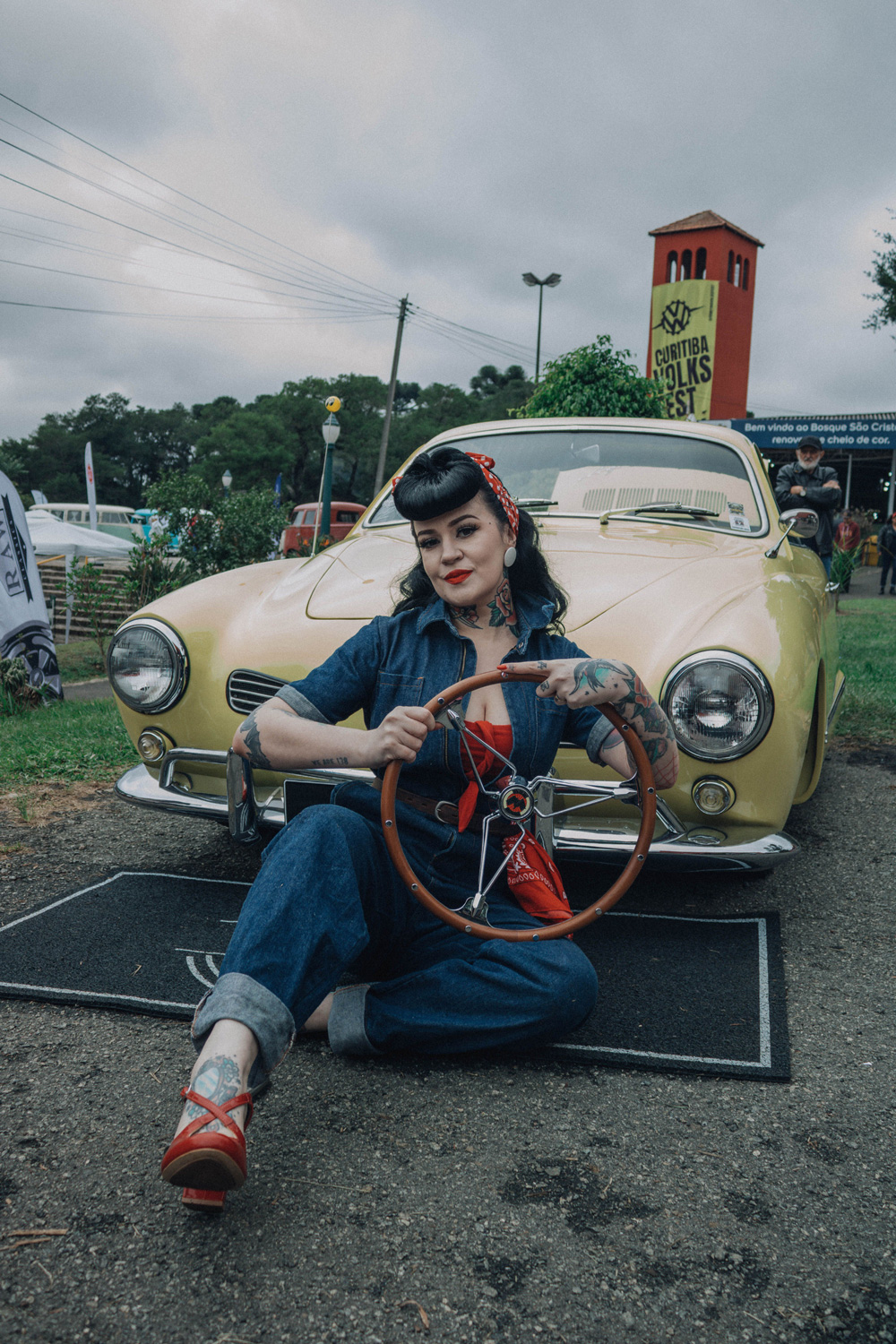
With events stretching across twelve months and spanning multiple countries, the 2026 Volkswagen show season offers one of the most complete and varied calendars in recent memory. From large festivals to small local meets, from racing weekends to scenic cruises, this year's schedule reflects the strength and diversity of the air cooled community. Whether you're planning a long road trip or looking for something close to home, 2026 provides countless opportunities to get your VW out, meet fellow enthusiasts, and enjoy the culture that keeps these cars alive. If you’re looking for your next VW show, our events calendar makes it easy to see what’s coming up.
Air cooled Volkswagens use a simple engine design that cools itself with airflow instead of liquid coolant. There is no radiator, no water pump, and no coolant system. A belt driven fan pushes air across cooling fins on the cylinders and heads, and the engine stays reliable as long as the airflow system is complete and maintained.
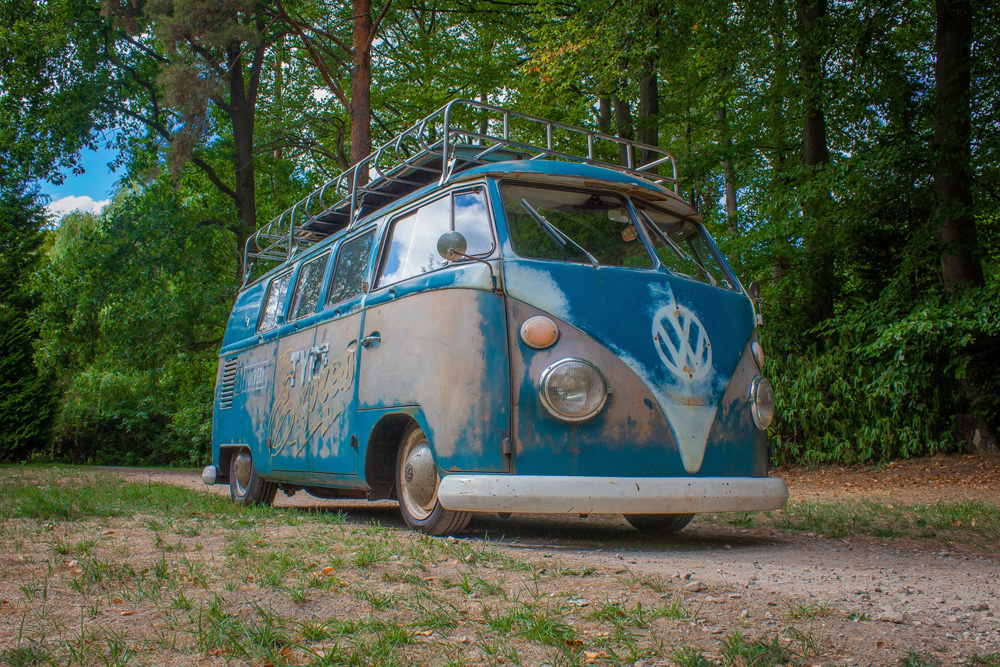
Volkswagen chose air cooling to build a car that was simple, durable, and able to run in any climate. The design made the Beetle and Bus famous for reliability. With fewer parts to fail, these engines could run in the desert, in the snow, and everywhere in between. This simplicity is a major reason the air cooled community is still strong today.
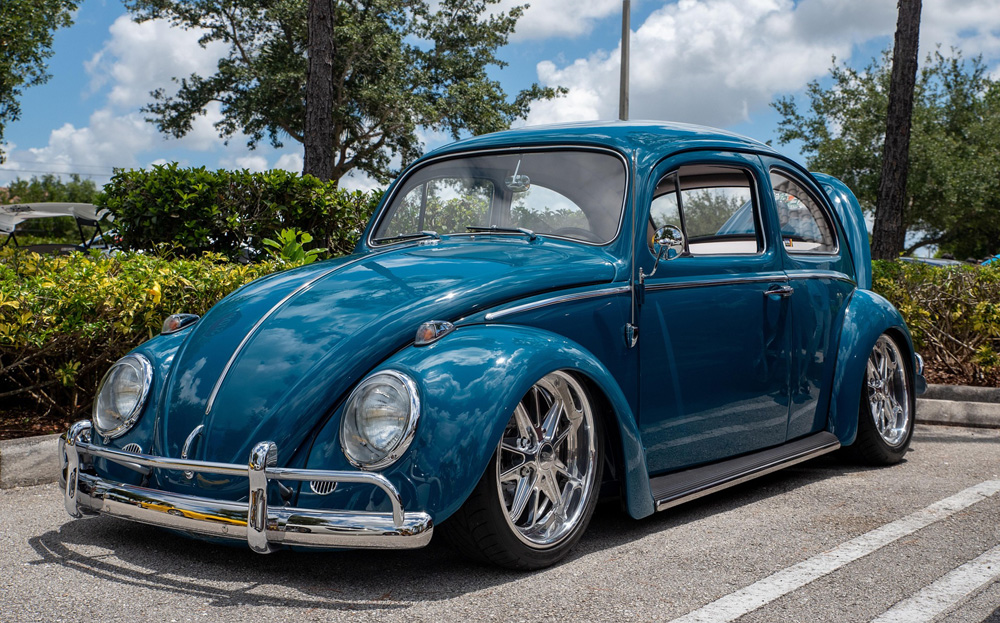
Many classic VW models use air cooled engines, including the Beetle, Super Beetle, Bus, Karmann Ghia, Thing, and Type 3. All share the same basic flat four layout, even though the engines evolved over the years. The most common factory sizes are 1200cc, 1300cc, 1500cc, and 1600cc, with the 1600cc dual port being the easiest to maintain and find parts for today.
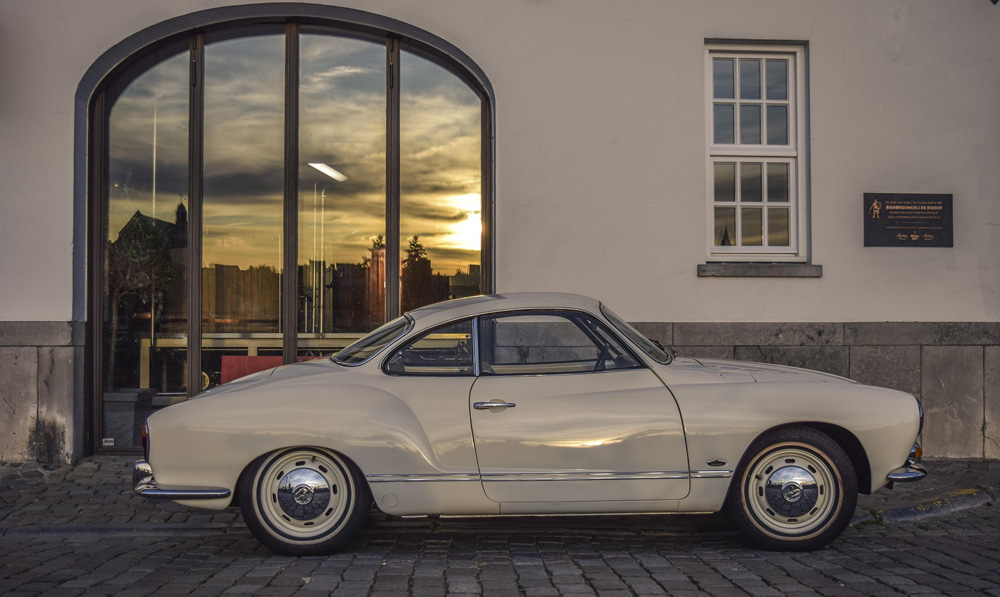
Air cooled Volkswagens remain popular because they are easy to work on, affordable to maintain, and supported by a huge aftermarket. Owners can rebuild an engine with basic tools, tune a carburetor in the driveway, and find parts almost anywhere. These cars also have a strong community built around shows, swap meets, and events that bring enthusiasts together.
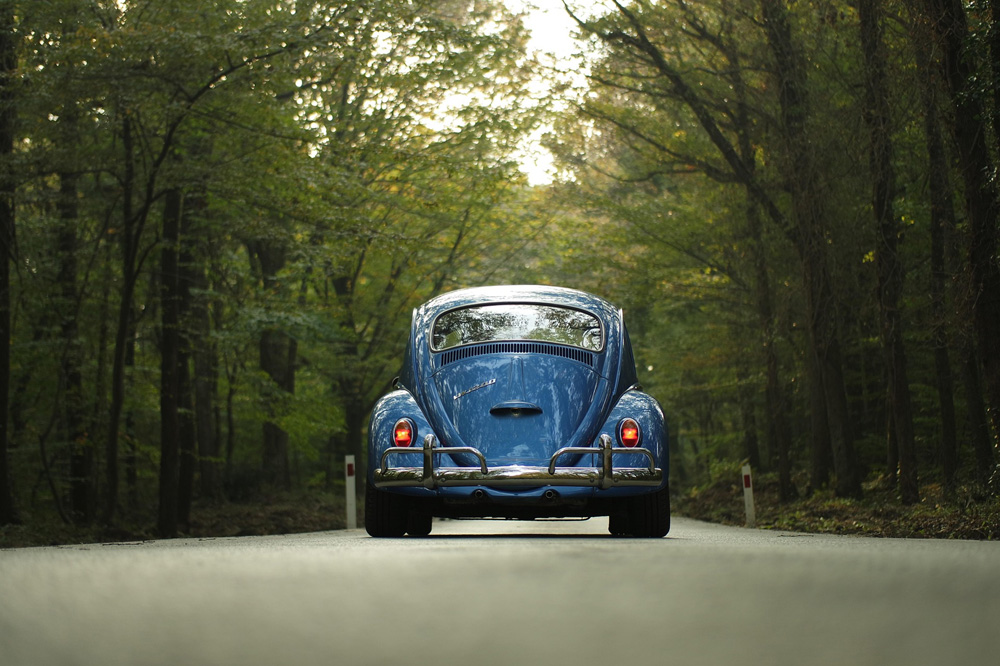
Identifying an air cooled VW is simple. There is no radiator, no coolant reservoir, and no hoses. The engine sits in the rear on most models, with a fan shroud, cooling tin, and visible fins on the cylinders. If you see coolant or a radiator, it is not an air cooled Volkswagen.
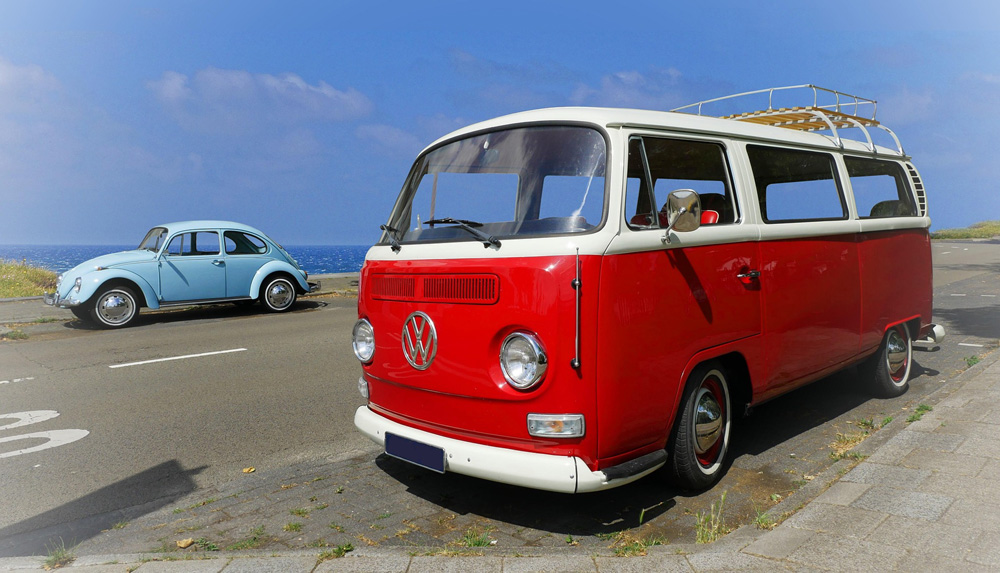
Air cooled engines reward owners who keep up with basic maintenance. Regular valve adjustments, oil changes, proper timing, and complete cooling tin make the difference between a reliable driver and an overheating engine. These cars are mechanical, hands on, and full of character, which is why they continue to attract new owners and keep the air cooled VW culture alive.
With the early spring shows behind us, the rest of the 2026 VW season is packed with major meets, swap events, and weekend gatherings across North America. These are the top ten Volkswagen events worth planning for from May through the end of the year.
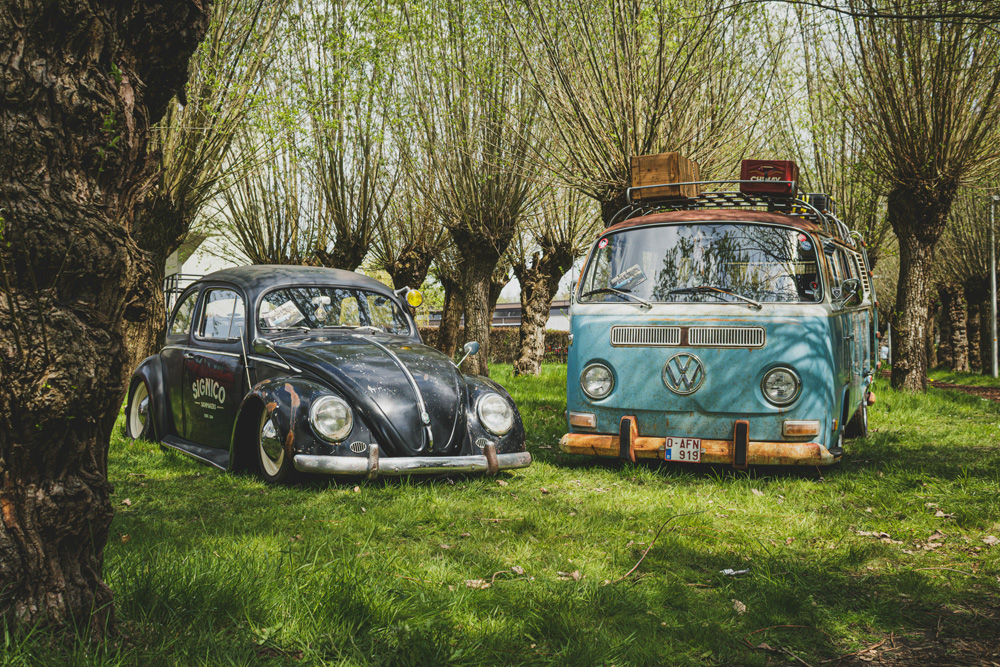
1. Bugapalooza - Chattanooga, Tennessee. A two day Southeastern favorite held at Camp Jordan. The show brings hundreds of Beetles, Buses, Ghias, and Type 3s together with camping, vendors, food trucks, and a strong family atmosphere. The swap meet is one of the best in the region for rare parts and project cars.
2. Germanaire - Niagara Falls, Ontario, Canada. Canada’s premier air-cooled VW gathering. The event draws Beetles, Buses, Ghias, Things, and Type 3s from across Ontario, Quebec, and the northern USA. Expect a relaxed show field, club displays, vendors, and a friendly community vibe. A highlight of the Canadian VW season.
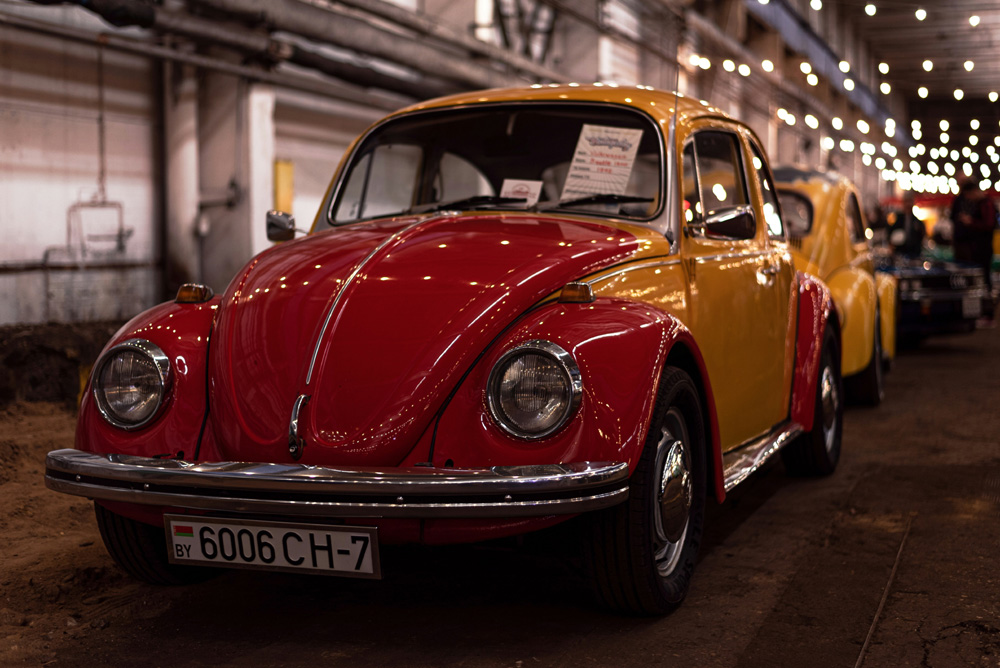
3. Red Barn VW Swap Meet - Ohio. A long running Midwest swap meet known for early morning deals and hard to find parts. Engines, tinware, NOS pieces, manuals, accessories, and the occasional barn find project show up here. If you are hunting for something specific, this is one of the best places to look.
4. One Crazy Weekend - Las Vegas, Nevada. A multi day VW takeover of Las Vegas with cruises, night meets, show and shine events, and photo opportunities on the Strip. The turnout is large, the builds are diverse, and the atmosphere is high energy from start to finish.
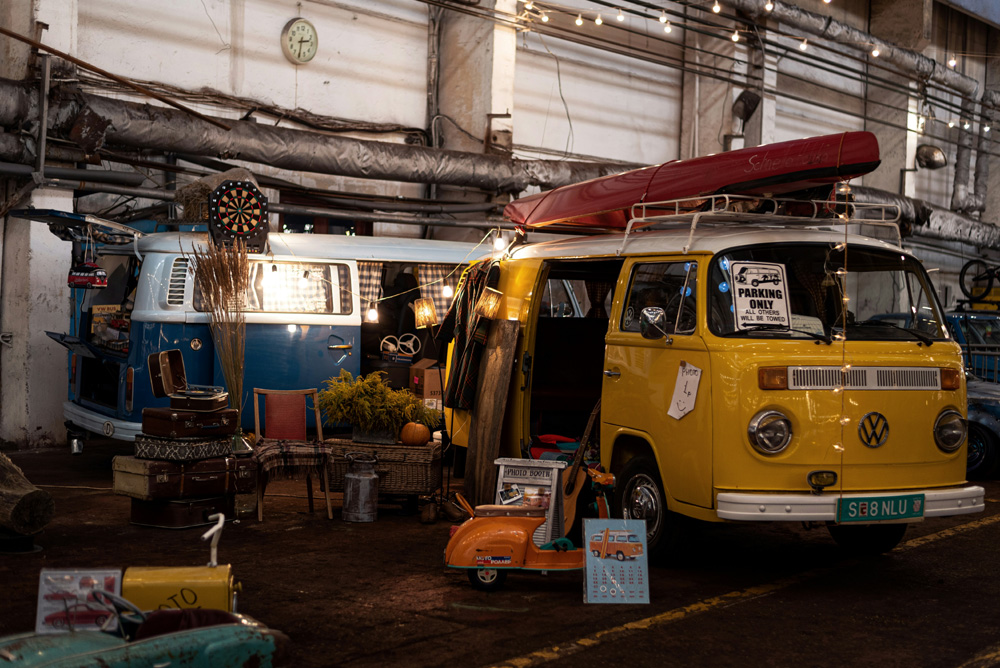
5. Circle Yer Wagens - Sevierville, Tennessee. A long running East Coast campout held in the Smoky Mountains. The event includes camping, a solid swap meet, a relaxed show field, and a friendly crowd. It is one of the most laid back VW weekends of the year and a great choice for families.
6. Fast Times at Farmington - North Carolina. A popular combination of VW drag racing, a show field, and a swap meet. Air cooled and water cooled classes run throughout the day, and the pits are full of interesting builds. The vendor area is consistently strong and the atmosphere is lively.
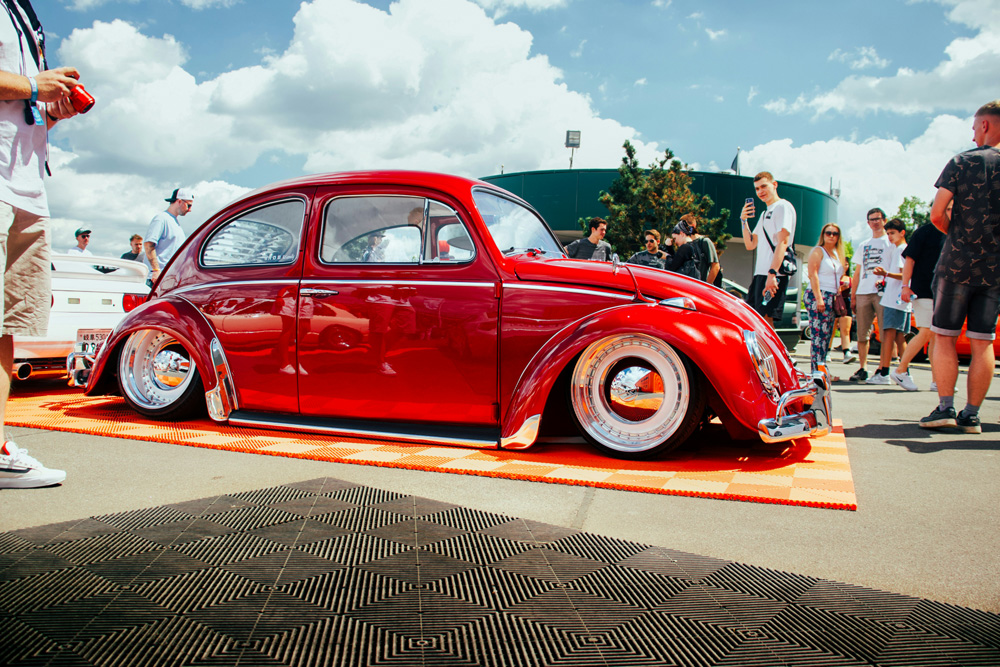
7. Mid America Motorworks Funfest for Air-Cooled VW - Effingham, Illinois. One of the most recognizable air-cooled Volkswagen gatherings in the United States, Funfest brings together Beetles, Buses, Ghias, Things, and Type 3s for a full weekend of shows, cruises, tech sessions, vendors, and family-friendly activities. The event has a long history and a strong national following, making it a must-see destination for enthusiasts planning their summer schedule.
8. El Prado and Southern California Summer Events. Southern California’s summer VW season includes El Prado and several surrounding meets. Expect large crowds, long lines of buses, rare parts vendors, and the unmistakable SoCal VW culture. These events are bucket-list material for many enthusiasts, and you can find dates and additional Southern California listings in the Events Calendar.
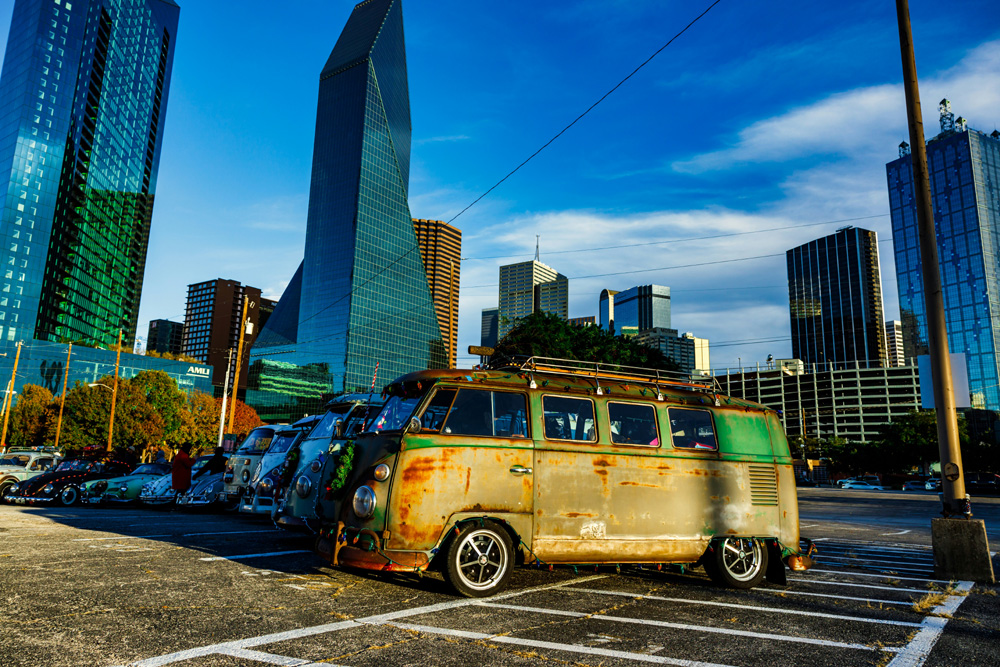
9. VW Nationals - Various Locations. Several regions host their own VW Nationals events, each featuring a mix of drag racing, show classes, vendors, and swap areas. Dates vary by state, but the format is consistent and the turnout is usually strong. For specific locations and updated dates, check the Events Calendar on AllAirCooled.com.
10. EMPI Anniversary Open House Event - Anaheim, California. A major celebration of air-cooled culture, the EMPI Open House brings enthusiasts together for a full day of cars, community, and behind-the-scenes access at EMPI’s Anaheim headquarters. The event features a huge car show, dealer displays, facility tours, raffles, food trucks, live music, and free arcade games courtesy of Captain’s Arcade Showroom. It’s one of the biggest gatherings of the season and a must-attend destination for VW and Porsche fans. For more upcoming shows and gatherings, visit our full Events Calendar.
As the weather finally starts to turn, there is an unmistakable excitement in the air for the air-cooled community. After a long winter of dreaming about car shows and cruises, it is finally time to pull your Volkswagen out of storage. Whether you drive a classic Beetle, a reliable Bus, or a stylish Type 3, preparing your vehicle for the road is the first ritual of the new season. A little bit of attention now saves a major headache later, ensuring your first drive of the year is memorable for all the right reasons.

Safety should always be your top priority before you turn the key. Begin by thoroughly inspecting your fuel system, as fuel lines can become brittle over the winter months. Check for any signs of cracking, leaking, or dry rot to prevent potential hazards. Once you have confirmed that the fuel system is secure, move on to the electrical components. Ensure your battery is fully charged and that all lights, including brake lights and turn signals, are functioning properly. A clean set of terminals and a fresh charge will go a long way in making sure your engine fires up on the first try.
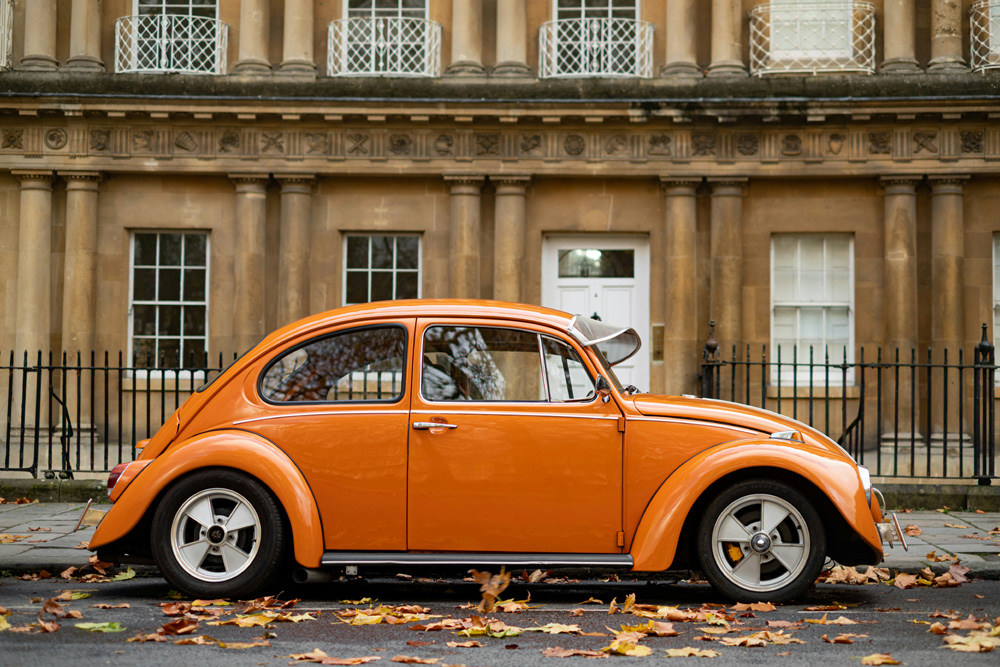
With the engine ready, take a moment to look at the rolling stock. Your tires likely sat in one position for several months, which can lead to flat spots or loss of air pressure. Check the pressure in all four tires and the spare, and inspect the sidewalls for any signs of aging or dry rot. Proper inflation not only improves your fuel efficiency but also significantly enhances the handling of these vintage machines. While you are down there, take a quick look at your brakes to ensure everything feels responsive and consistent.
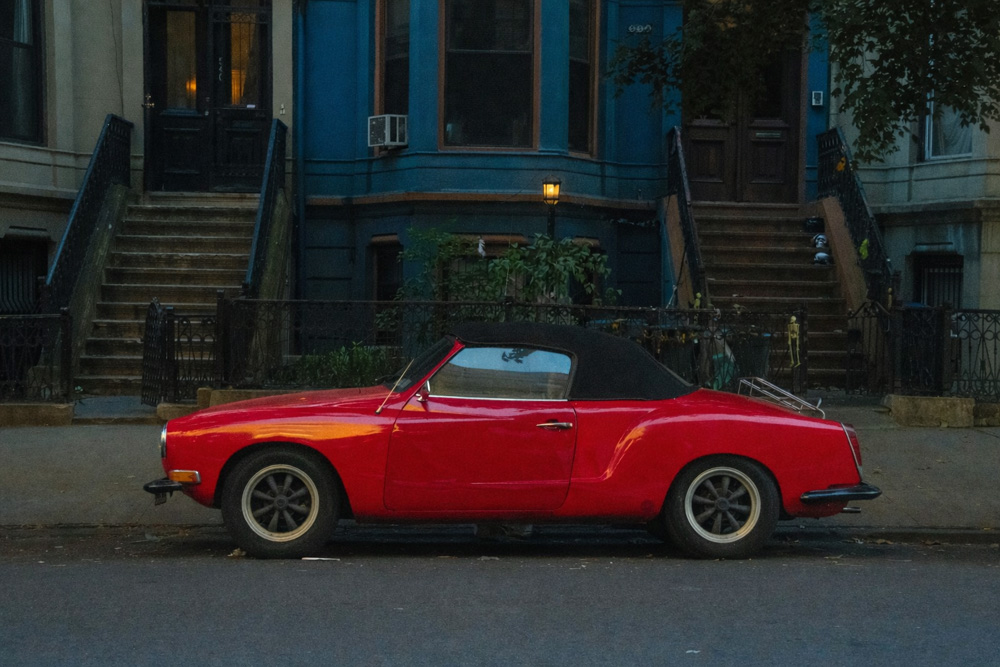
A spring tune-up is also the perfect time to address those basic engine needs that often get overlooked. Check your oil levels and look for any new drips under the engine case. If your VW has been sitting for a significant amount of time, a fresh oil change is one of the best ways to ensure long-term engine health. A quick inspection of your fan belt tension and a check for any loose connections or frayed wiring can prevent a roadside breakdown during your first sunny cruise of the year.
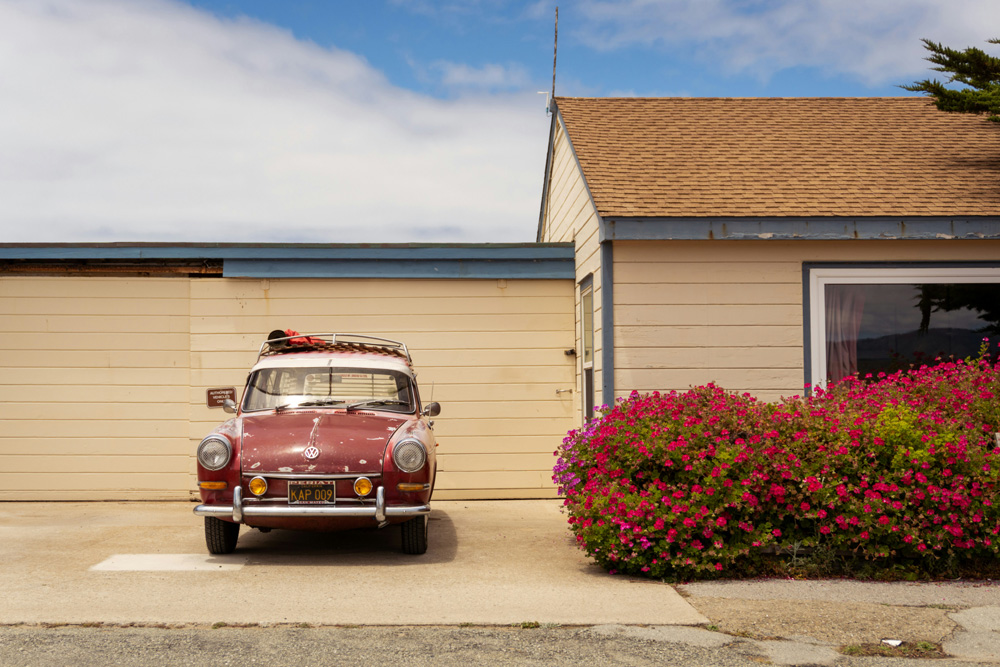
Once the mechanical checks are complete, give your car the care it deserves with a thorough cleaning. Washing away the dust and grime of winter storage reveals the finish of your paint and helps protect the bodywork from any lingering debris. Inside, vacuuming out the cabin and wiping down the dash helps create a fresh environment for the miles ahead. Taking this extra time to detail your car is the best way to celebrate its history and get in the right mindset for the show season.
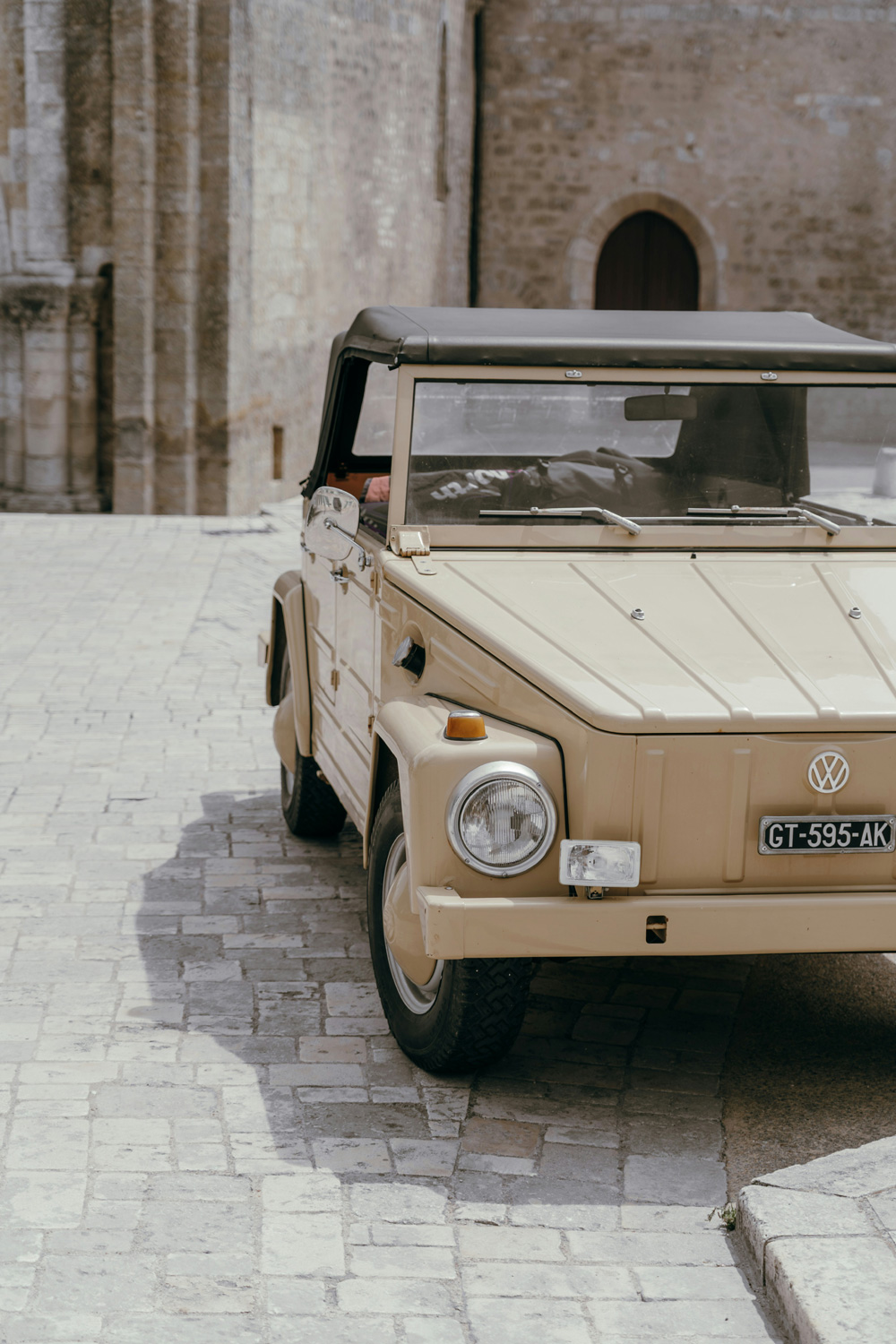
Finally, now that your car is looking great and running smoothly, it is the perfect time to map out your plans. Check the events calendar on AllAirCooled to find the next local gathering, swap meet, or cruise-in near you. Whether you are heading to a national event or just meeting up with friends for a local drive, the air-cooled community is growing and ready for another great year. Get out there, enjoy the open road, and keep the tradition alive.
When the modern fleet is sliding toward the shoulder, the vintage Volkswagen is often just finding its grip. It is a scene as old as the Wolfsburg factory itself: a heavy snowfall hits, and while sophisticated SUVs are spinning their tires, a humble Beetle or a Type 3 is chugging along with steady, unbothered confidence. In the air-cooled world, this isn't luck; it is intentional engineering.
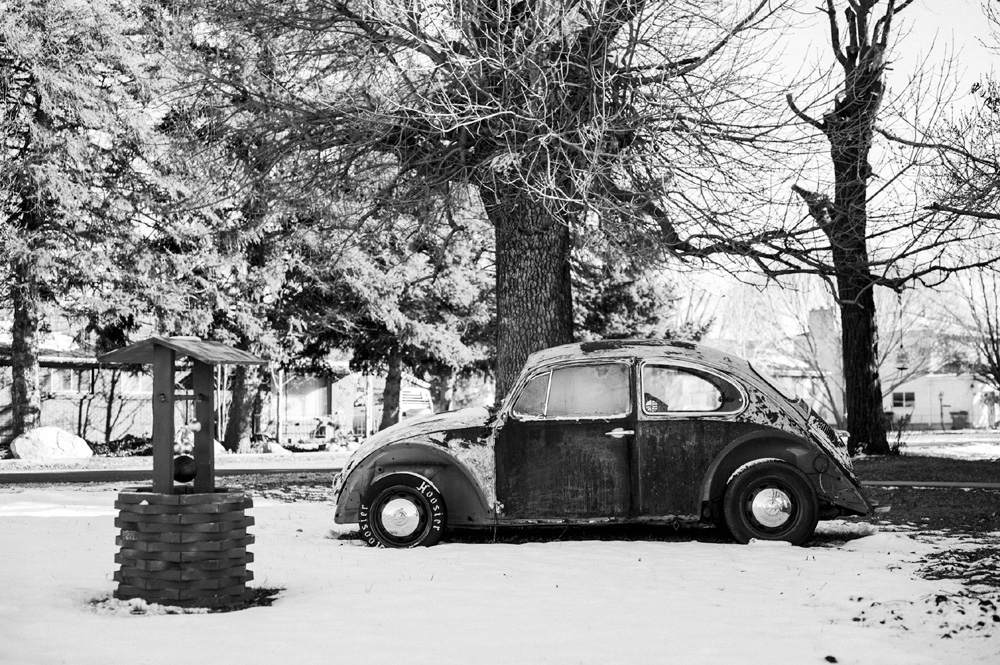
The Engine Over the Axle: Traction is a game of weight, and the Beetle holds all the high cards. By placing that iconic flat-four engine directly over the rear drive wheels, the VW utilizes gravity to its advantage. In the snow, that weight pushes the tires through the slush and down to the pavement. While front-engine, rear-drive cars are fishtailing because their tail is too light, the VW stays planted.
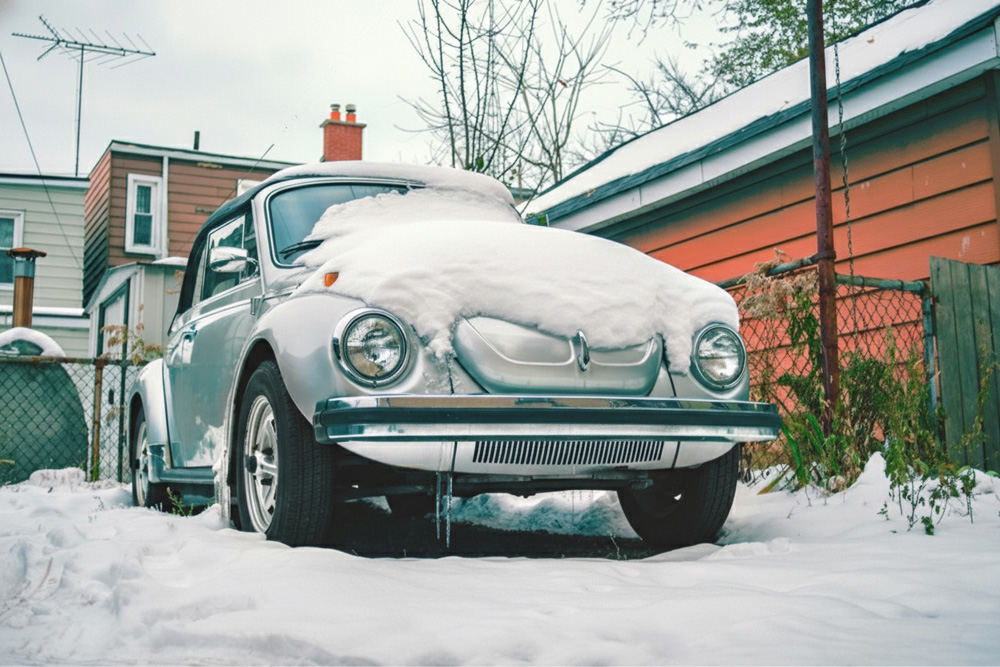
A Smooth Underbelly: The VW doesn't plow the snow; it slides over it. Unlike modern cars with low-hanging plastic air dams and exposed suspension components, the vintage Volkswagen features a remarkably flat, smooth floor pan. This design allows the car to act almost like a sled. If the snow gets deep, the chassis can skim across the surface rather than getting hung up on the mechanical bits underneath.
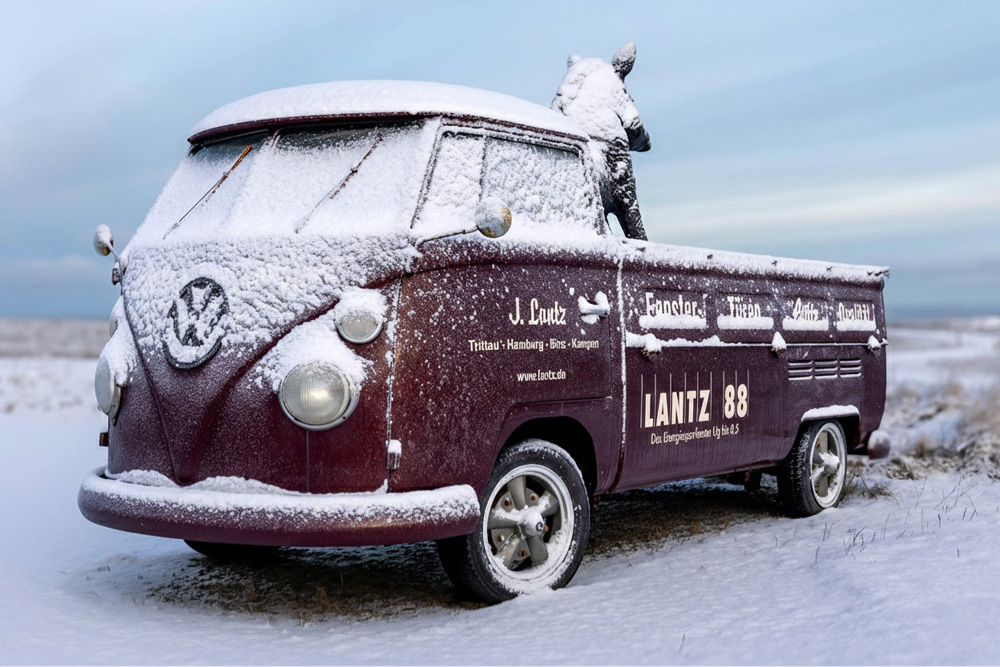
Air-Cooled Independence: There is no radiator to freeze when there is no radiator at all. One of the greatest winter advantages is the very thing that gives our community its name. Without a water-cooling system, there is no coolant to gunk up, no hoses to burst in freezing weather, and no risk of a cracked block from ice expansion. An air-cooled engine is often ready to fire up while the rest of the world is waiting for a jump-start or a thaw.

The Narrow Track Advantage: Modern cars favor wide, low-profile tires that act like skis on top of the snow. The vintage VW, however, uses narrow tires that act like pizza cutters. They slice through the pack to find traction where wider tires would simply hydroplane.
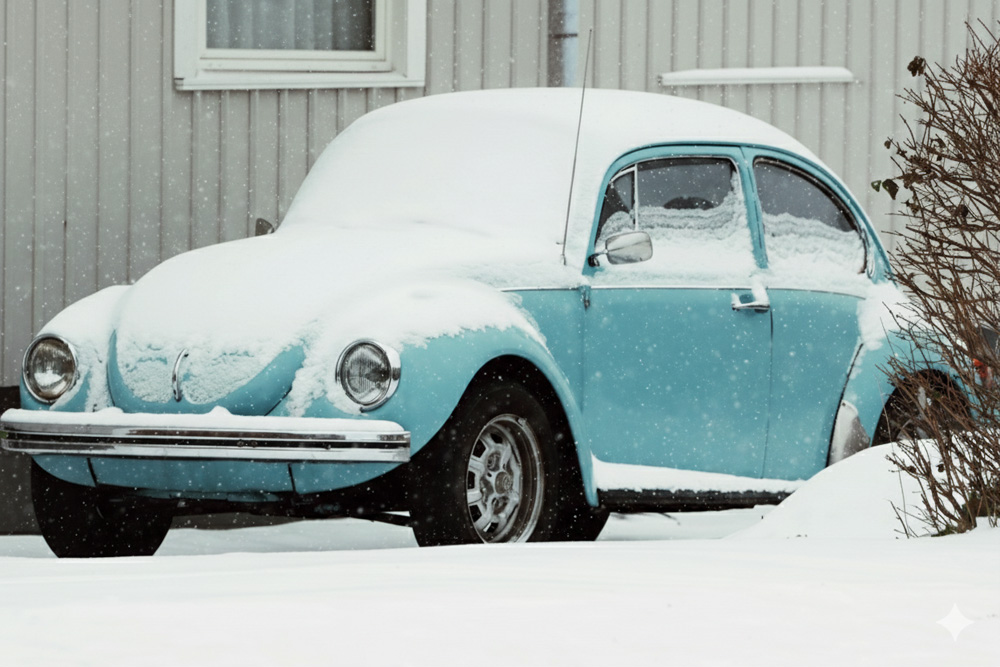
The Volkswagen was designed to be the people's car, and that meant the people who lived in the mountains, too. Whether you're piloting a Beetle through a snowy Canadian winter or taking the Bus out for a holiday run, the air-cooled legacy remains a reliable choice for cold-weather driving.
The Karmann Ghia was born from a pivotal decision at Volkswagen to offer a stylish and aspirational coupe without sacrificing the simple reliability of the Beetle. Introduced in 1955, the Ghia was a successful partnership between three distinct entities. Volkswagen supplied the dependable air cooled engine and mechanicals, the Italian design house Carrozzeria Ghia handled the elegant body styling, and the German coachbuilder Karmann managed the complex, hand finished production. This unique collaboration resulted in a car that blended Italian flair with German engineering, creating a vehicle that was more about sophisticated style than raw speed, yet quickly became a global classic.

The original and most recognized version was the Type 14. Built atop a widened Volkswagen Beetle chassis, it featured smooth, fluid lines and a signature low profile. Its construction was notably different from the standard Beetle because of the complex curves. The body panels were hand welded and finished with lead to achieve seamless joints, making the Type 14 labor intensive and comparatively expensive to manufacture. This investment in craftsmanship gave the car its distinctive, high quality feel. Available as both a 2+2 coupe and a sought after convertible, the Type 14 proved that air cooled mechanics could indeed wear a stylish suit.
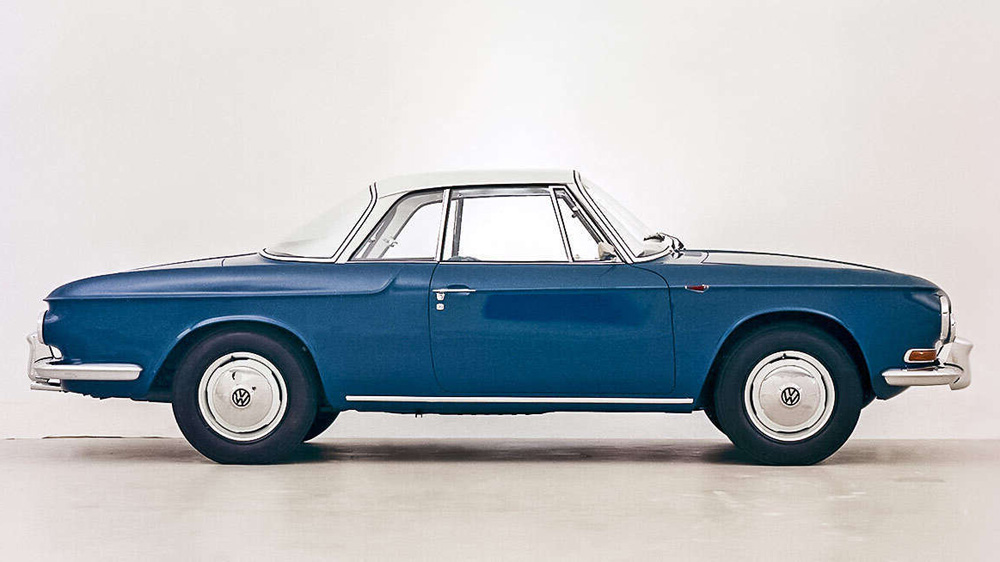
Beyond the aesthetics, the Type 14 evolved alongside the Beetle throughout its production run. As engine displacements grew from the early 1200cc units to the more robust 1600cc dual port versions, the Ghia benefited from every mechanical advancement. The introduction of front disc brakes in the late sixties further enhanced its reputation as a sophisticated driver. Despite these updates, the car never lost its hand built character. Even as production numbers climbed, each Ghia felt like a custom coachbuilt vehicle, setting it apart from the more utilitarian models in the Volkswagen lineup.
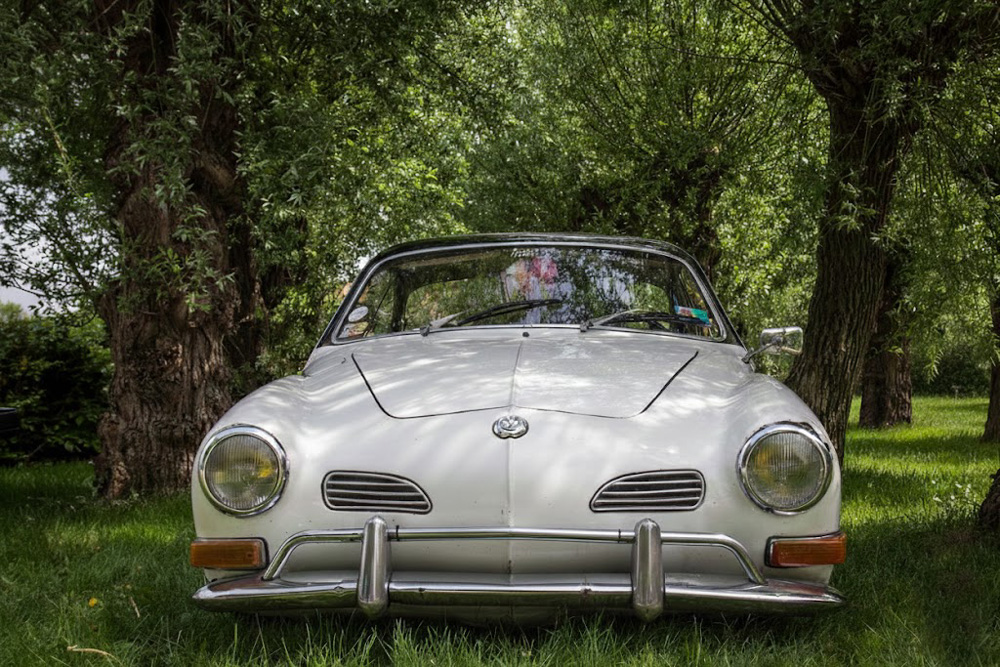
Seeking to move further upscale, Volkswagen released the Type 34 in 1961. This Big Ghia moved away from the Beetle platform, instead utilizing the larger and more robust chassis and engine components of the new Type 3 series. Designed by Sergio Sartorelli, the Type 34 adopted an angular, Razor's Edge style that looked far more contemporary than its curvy sibling. It offered a roomier and more luxurious interior, better ventilation, and even pioneering options like a power operated steel sunroof. It was positioned as the flagship model of the company and carried a price tag in some markets that neared the cost of two standard Beetles.
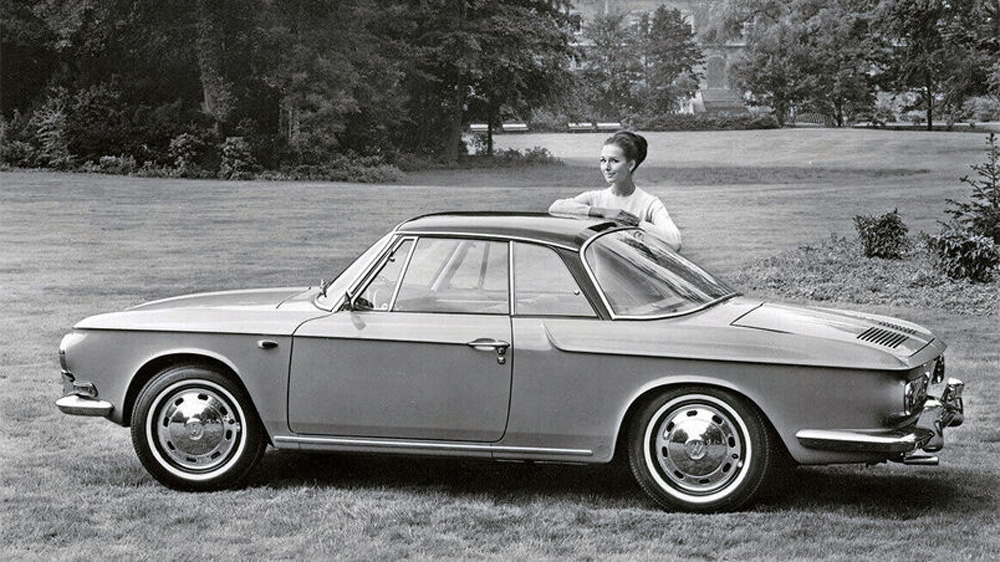
The two Ghias existed side by side for years, yet their paths diverged sharply in the global market. The Type 14 benefited from its cheaper Beetle mechanicals and familiar styling, becoming a massive commercial success with over 445,000 units produced before its run ended in 1974. The high price and the angular styling of the Type 34 tempered demand significantly. Crucially, the Type 34 was never officially imported or sold in the United States, which was the most important market for the Type 14. Consequently, only about 42,500 examples of the Type 34 were built before production ceased in 1969, making it a much rarer sight today.
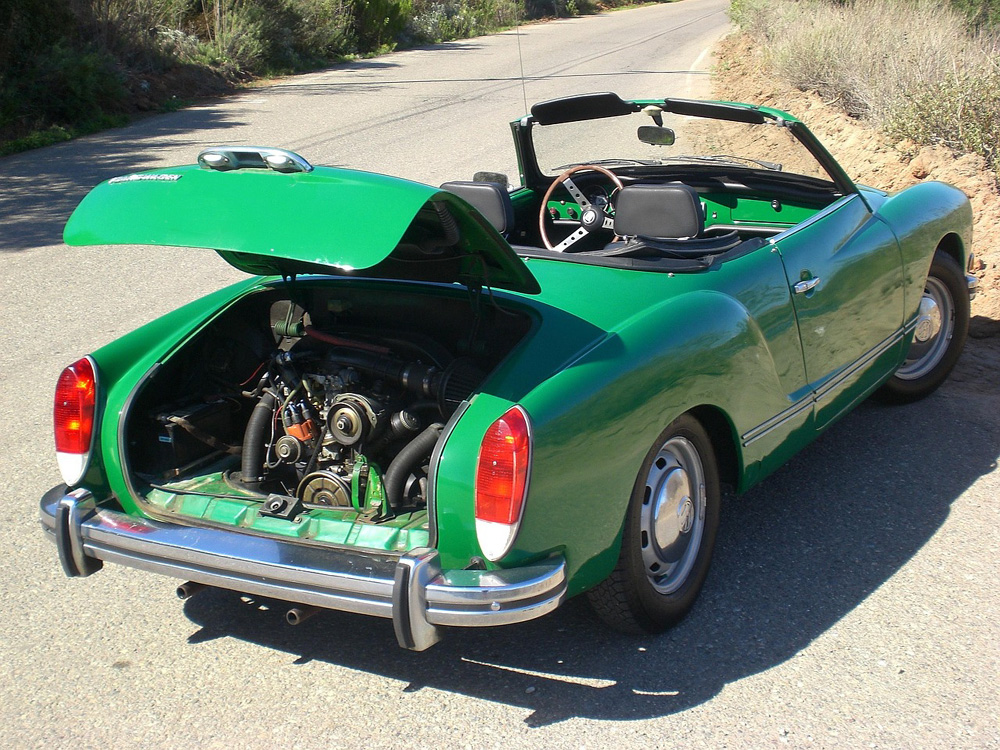
Ultimately, the Karmann Ghia successfully redefined the air cooled car as a symbol of practical style. The high volume of the Type 14 established the iconic status of the model, while the limited run of the technically superior and visually daring Type 34 created a distinct and highly sought after collector niche. Both cars relied on the same fundamental German engineering, but their unique Italian design and hand built quality ensure that the entire Karmann Ghia lineage continues to captivate enthusiasts. After seventy years, these beautifully styled classics still turn heads wherever they appear, standing as a testament to the power of great design.
When Ferdinand Porsche began designing what would become the Volkswagen Type 1, the iconic Beetle, his mission was not luxury or speed. It was durability, simplicity, and accessibility. Germany in the 1930s needed a "People's Car" that anyone could drive, anywhere, under any condition. That mission led Volkswagen down the path of the air-cooled engine, a design decision that became one of the most distinctive traits of the Beetle and a cornerstone of its legendary reliability.

Built for Everyone, Everywhere: In the early days, paved roads were scarce, and maintenance shops were few and far between. Porsche understood that the car had to perform in extreme heat, freezing cold, and dusty rural conditions without relying on fragile components. A water-cooled engine, with its hoses, radiators, and coolant, simply introduced too many potential failure points. The air-cooled flat four, however, was virtually self contained. There was no coolant to leak, no radiator to freeze, and no water pump to fail.

Engineering Elegance in Simplicity: The Beetle's engine used finned aluminum cylinders and a belt driven fan that pushed air through a carefully designed shroud, cooling each cylinder evenly. It was an elegantly simple solution, an engineering approach that valued reliability and practicality over complexity. The horizontally opposed boxer layout also gave the car a low center of gravity, improving stability and handling, while its rear mounted configuration offered excellent traction in snow or mud.

Cost and Maintenance Advantages: Volkswagen's mission to build a true "People's Car" also meant keeping costs low. The air-cooled system eliminated the need for radiators, water pumps, coolant, and complex plumbing, making the car cheaper to produce and maintain. Mechanics could easily access and service the engine, and in remote areas, even owners could perform basic repairs themselves.
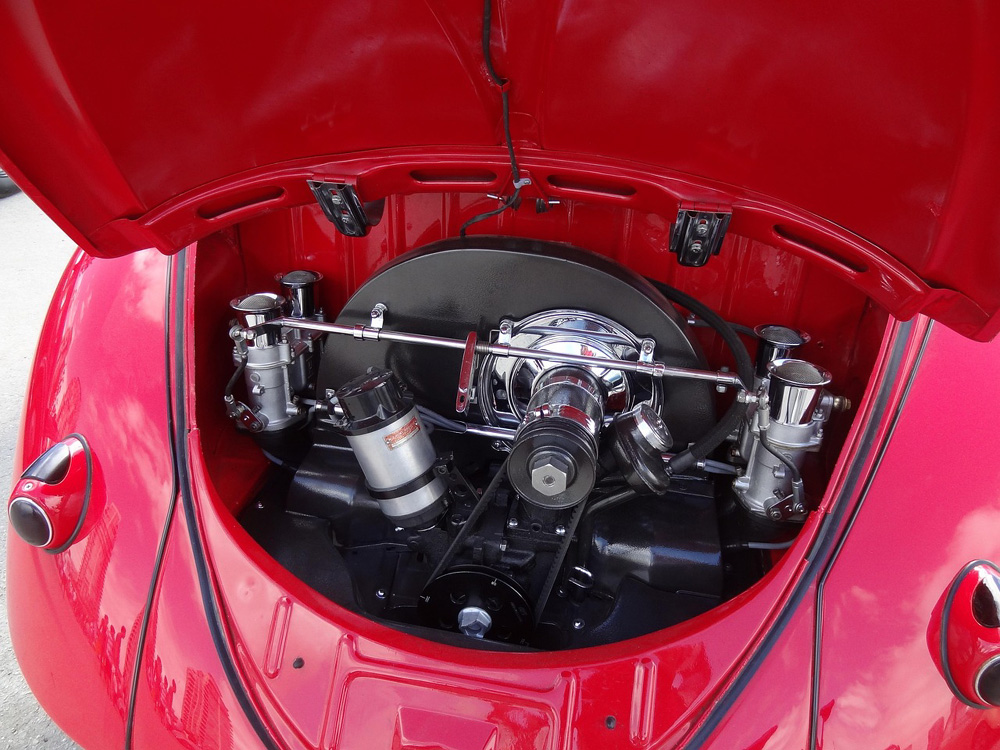
Cool by Design, Not by Temperature: While some might assume air cooling was a cost cutting compromise, it was actually a brilliant fit for the Beetle's role. The compact engine could be easily removed, making major repairs straightforward. It also allowed the Beetle to thrive in climates that would challenge many contemporary cars, from the deserts of North Africa to the frozen roads of Scandinavia.
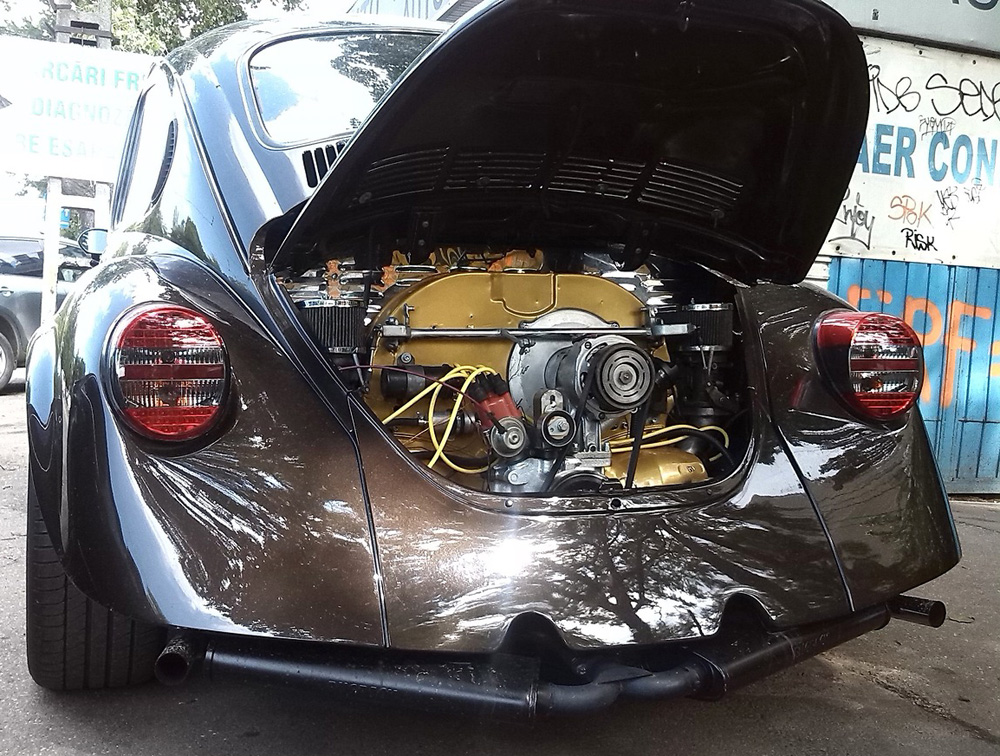
A Symbol of VW Identity: Over time, the distinctive whir of an air-cooled Volkswagen became its signature. It was not just a technical choice. It became a cultural one. The air-cooled engine embodied the Beetle's spirit: uncomplicated, honest, and endlessly dependable. By the time Volkswagen transitioned to water-cooled engines in the late 1970s, the air-cooled design had already left an indelible mark on automotive history. It proved that simplicity, when executed with brilliance, can outlast the most sophisticated designs. In a world obsessed with innovation, the Beetle's air-cooled heart reminds us that sometimes, the smartest solution is also the simplest.
Join our AllAirCooled VWs Facebook group to connect with other Vintage VW enthusiasts!

All things air-cooled: follow @allaircooledvws on Instagram for your daily dose of Vintage VW!

@allaircooledvws on X for the ultimate celebration of Vintage Volkswagen culture!
Got a question or comment? Drop us a line and we'll get back to you as soon as we can. We're always happy to talk Bugs, Buses and everything in between!